Using fresh herbs in your cooking is a cheaper, easier way to take your signature dishes to another level. Your meals, teas, and salads can be enhanced with more rich, full flavours. It can especially be welcome if you are on a plant-based diet.
And, even though salad is a great way to add greens into your daily diet, you shouldn’t exclude the benefits of fresh, green herbs. Herbs have aromatic oils that are packed with nutrients and other health benefits that spinach, lettuce, and even kale do not provide.
Herbs can help provide multiple advantages to your health. If you use fresh herbs daily, you will experience these advantages outlined in detail below.
History and Origins of Herbs
History provides references to the use of herbs and spices in foods and culinary creations. These were written down over the years and allowed people to identify how they were used in foods. The health benefits became more well-known when spice trades were routed and expanded.
Fresh herbs utilised in cooking originate from many other countries. For example, cilantro or coriander comes from North Africa and South American regions, and sage is a Mediterranean herb.
Turmeric comes from India, and ginger is native to China. Many of these herbs are available for use all year round.
Using Fresh Herbs in Cooking
There are a few different ways fresh herbs are utilised in cooking. Depending on what you are cooking will lend its way to how you use the herbs. For instance, herb bouquets are when a bunch of herbs are tied together and added to stews or soups, sometimes roasters, making it easier to take out when the cooking is complete.
Finely chopped herbs are used more often in meals to add unique flavors, such as chopped chives or parsley. A great example of fresh herbs in foods is how people chop coriander in the classic pico de gallo, a popular Mexican dip that is fresh, healthy, and full of flavour.

Fresh Herbs and Their Health Benefits
So, now that you have a general idea of how to use fresh herbs in foods, here are some of the more common culinary herbs and the advantages they provide for your health.
Basil – this green leafy herb is high in antioxidants, providing immune support and anti-inflammatory properties. Many people find eating basil at night helps with sleep. It benefits digestion, the nervous system, the liver, lungs, and even your brain.
Chives – Chives are very similar to onions or shallots. They, like basil, contain antioxidants. They also help protect against some chronic diseases.
Coriander/Cilantro – coriander helps relieve indigestion and supports blood sugar levels. These effects also calm nerves and lessen stress and anxiety. In addition, it supports the cardiovascular system and increases brain activity.
Garlic – one of the more popular fresh herbs used worldwide, garlic is a natural antibiotic. Its antiseptic abilities have been tested and documented in the East and West.
Oregano – Oregano has a distinct flavor and provides antiviral and antibacterial benefits.
Bay Leaf – supporting digestion and breaking up fats, the bay leaf has many significant advantages, one being to help relieve bloating. In addition, Greeks and Romans believe that bay leaves brought people happiness and inspiration.
Ginger – Ginger is most well-known for its help relieving nausea, but it also supports metabolism and circulation.
Mint – also called peppermint, mint is another good herb for digestion, calming the stomach and intestinal tracts, and provides foods with a refreshing and cooling effect.
Rosemary– rich with antioxidants and anti-inflammatory properties, rosemary also aids memory and concentration.
Parsley – one of the milder herb flavours, parsley has many vitamins and minerals and supports the urinary tract.
Growing Herbs at Home
You can usually find a variety of fresh herbs at the grocery store, but how ‘fresh’ are they really? If you want to ensure that you have the freshest herbs, you can grow many of these herbs right in the comfort of your home or garden.

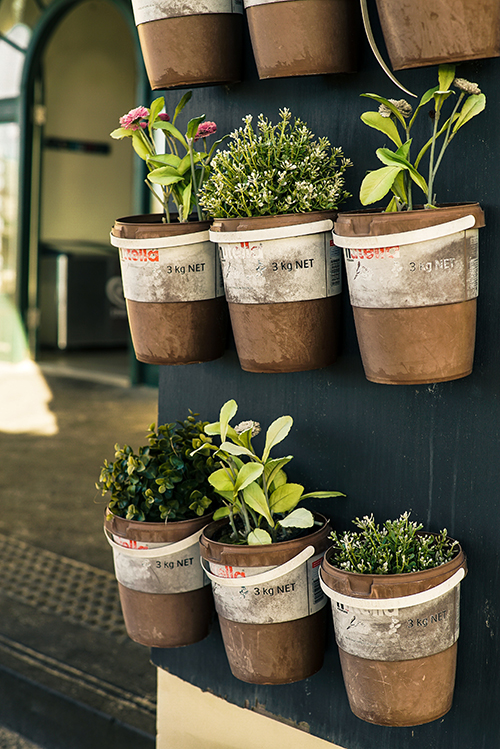
If you don’t feel you have a good spot for your garden or are concerned about space because you don’t have a lot of room within your home, there are alternatives for that too! Add a decorative wall utilising vertical farming methods. This type of home food production provides added benefits that help you use little to no chemicals or pesticides and conserves water and soil. It is an excellent step in aiding food demands and production shortages.
Any way you look at it, with all of the advantages and benefits cooking with fresh herbs can provide, there’s no reason not to start using them (or using them MORE often) in your cooking. So enjoy some fresh herbs with your dinner tonight!


