In an era where it’s possible to monetise absolutely anything, have we forgotten what it’s like to do something just for fun without expecting anything in return? Kseniia Spodyneiko tries to figure out when side-hustles became the new hobbies and whether having a hobby is a thing of the past.
Images: Freepik, Pexels
‘OMG, you should charge for that!’ is the phrase I hear way too often when admitting I have an almost photographic memory when it comes to books. While I might not be able to recite an entire page after a quick skim (I had a friend like that at school and no one could ever convince me she wasn’t an alien), I can always find the exact place where this or that phrase was used, notice if the author repeats the same catchy word twice, no matter how many chapters separate the repetitions, or spot little plot inconsistencies missed by beta-readers.
Does it mean I can make money beta-reading? Yes. But the mere idea of opening a book because I have to, not because I choose to, raises my hackles. Reading has always been my sanctuary, my escape from over-peopling. It’s a private thing. A hobby. Remember when we used to have those before everything became a side-hustle? The frequency of hearing advice about charging money for reading underscores how little thought is given to actual hobbies these days. Like there is no value in doing something if you don’t earn from it.
A GENERATION OF SIDE-HUSTLERS
Modern culture is defined by how well we’re monetising all parts of our life. Travel a lot? Publish digital guides. DIY-ed your interior design? Move on to decorating other people’s homes. Lost 10kg? Share your workouts on YouTube. Cooking, scrapbooking, oil-making, wardrobe organising – the ease with which we can turn literally anything into a part- time job or even a full-on business these days is astounding. Technology and social media have made it all possible. If you have a phone and a WiFi connection, you’re half-way there!
The term ‘side-hustling’ has been around since the 1950s but the process is at an all-time high today, with one in three Kiwis making extra cash outside their main jobs. There has never been a moment in history when turning your passion into a thriving business was that easy. Confucius’ “Choose a job you love and you’ll never have to work a day in your life” has literally become an unofficial motto of our generation.
Indeed, earning from doing something you love has many perks. Hello, additional income and financial security, being your own boss, truly enjoying your job, working your own hours and from a location of your own choice.

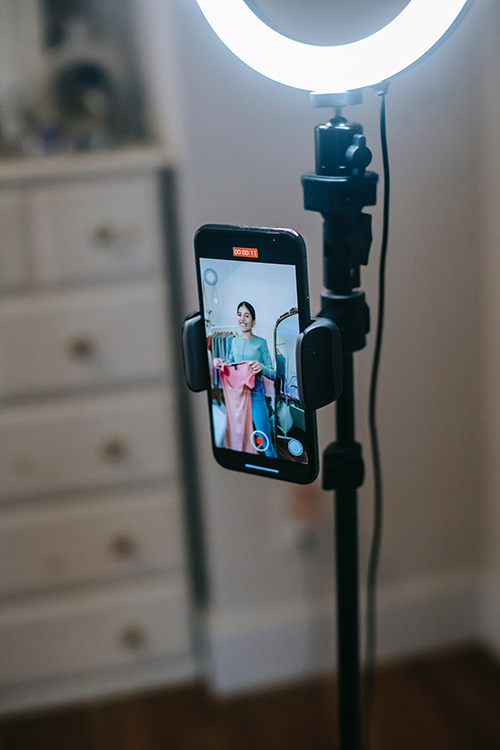
But let’s not forget the downsides – devoting time to your side-hustle even when you don’t feel like it, switching your attention from pleasure to profit, constantly comparing yourself to your competitors, feeling insecure, pushing yourself above and beyond. We often overlook these things because we’re either too focused on the ideal future where we’ll ‘never have to work’ or simply because we had no idea about the responsibilities that come with starting a business (nothing to be ashamed of – we all learn as we go!).
Probably that’s why after Confucius came Adam J. Kurtz, author of Things Are What You Make of Them, who rewrote the old saying into the one more relatable to our reality: “Do what you love and you’ll work super f*cking hard all the time with no separation or any boundaries and also take everything extremely personally.” Funny? Of course. But it’s also the truth we don’t talk about often enough – a private hobby won’t give you FOMO or career anxiety.
2021 TRENDING SIDE-HUSTLES:
Teaching English online
Online workshops
Refurbishing old furniture
Creating spreadsheets or templates
Being a party/wedding planner
Taking online surveys
Pet sitting
Being a personal shopper
Social media managing
Life coaching
WHAT ARE TODAY’S HOBBIES?
There is something about the word ‘hobby’ itself that speaks of ‘the good ol’ days’, of our grandpa collecting stamps
or pinning butterflies to a board. There is no glamour, no world adoration in stamps or pinned butterflies. Not surprisingly, we don’t want to do those things. If hobbies are our ‘personal brand’, we’d rather be globetrotters, skydivers or long-exposure photographers – something for others to envy and admire.
Instead of mourning the loss of hobbies, maybe it’s time we simply redefine what hobbies are? Yes, some of the traditional hobbies are now seen as side-hustles, but no matter how much you love what you do, you can’t work 24/7, so there should still be something you do when you need some down time, some relaxation and brainless fun. After all, ‘hobby’ always meant a pleasant, enjoyable way to spend one’s leisure time and something one doesn’t mind doing repetitively.
Like bingeing Netflix! Can watching TV shows be the 21st Century version of a hobby? Why not! Or going to the gym? Unless you’re being paid for working out in a flashy lululemon outfit, you don’t do it for money. In fact, you’re spending money and your free time to sweat. Congratulations, you obviously have a hobby! Do you listen to criminal podcasts while driving? Now, that’s quite a hobby! Well done.
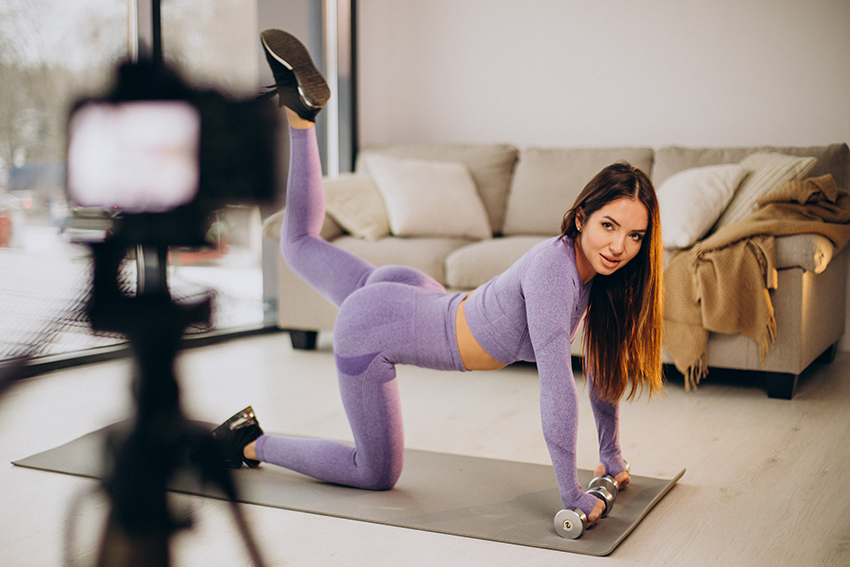
Our life and habits have changed so drastically in the past few decades, we sometimes have to play a catch-up game with the new reality.
Hobbies have always existed as an entertainment, a getaway from hard work. Watching Netflix or cat videos on TikTok haven’t been on the cards for long but it doesn’t make recharging the batteries this way any less meaningful. Hobbies are not supposed to pay your rent. You don’t have to monetise the joy. Allow yourself to do something simply because it makes you feel good. That’s enough.