Hilary Price imagines a society with far less brokenness and far fewer children
In the mid-90s, after leaving South Africa and sailing the world for two and a half years with her husband and three children, Hilary Price was ready to put down roots, and New Zealand beckoned.
The couple had always seen New Zealand as a “glowing light”, and the friendly people and stunning beaches of the Bay of Plenty did not disappoint. Yet, from a newcomer’s perspective, there were smudges tainting the sparkle. Hilary saw brokenness in the community and children suffering from domestic violence and neglect.
“That was the saddest and most surprising thing for us to find out after we arrived,” she says. “Later, a colleague and I asked ourselves, ‘Well, what are we going to do about it?’”
Putting trust in her strong Christian faith, Hilary walked towards the challenge rather than away from it and embarked on a plan to take care of children in the community, who, for whatever reason, were not able to live with their own families. The Homes of Hope Trust was formed in 2002 and the first home opened in June 2003.
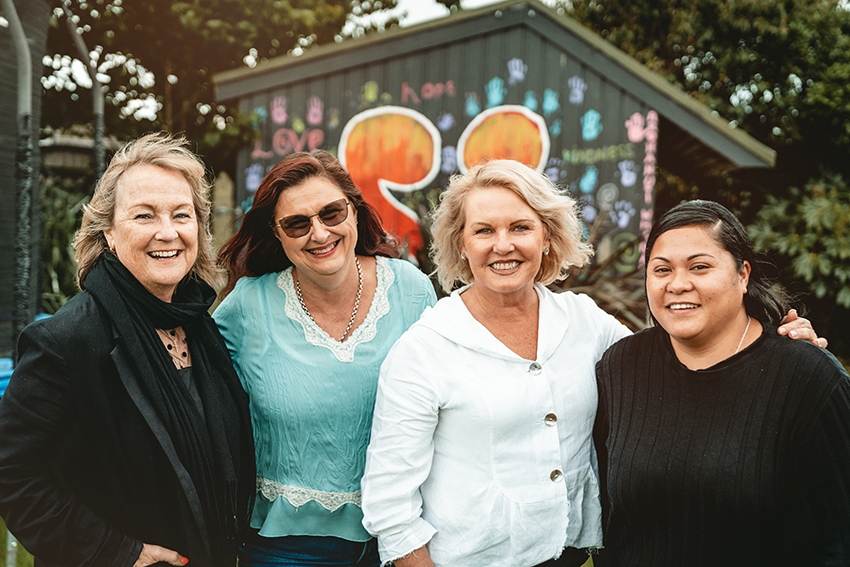
The result has been a highly effective
“It’s so important that we learn to grow healthy families and protect our children, and that vision will always be my driver; the children keep me firmly grounded. We all have a level of brokenness, but these children have more than their fair share of it. I think if we’re kinder to ourselves, we’ll be more compassionate and empathetic to others and then our society may start changing and we’ll see less of this damage and trauma.”
COMMUNITY GRASS-ROOTS
Hilary, who is a trained teacher, social worker
While not a big
“By the time they come to us some very young children have already been in and out of ten foster homes. Our focus is care, protection and restoration of the child, and having that period of restoration is really important so that they’re well positioned to successfully be placed in a family again. We’re not a forever home but the children remain with us until they’re ready to move on.”
Collaboration, she says, is the key to success, not only with other agencies but also the wider community and Hilary is hugely grateful when others volunteer their help. “The involvement of
“It’s a collective Aotearoa New Zealand responsibility. We’re not all called to this work but there’s something we can all do to make a difference in these precious lives. Kiwis are naturally very open and friendly people – you see it everywhere – but we need to take this deeper than just the surface.”
The Tauranga Moana community helps in many other ways too with volunteers regularly turning up with baking or making birthday cakes for the children. Church groups bring groceries, knitters create woollies and a local doctor brings a massive bag of frozen chicken every week. Local organisations also pitch in with working bees, including the creation of a new child-centred play therapy space by a team of ANZ staff.
Financial resource, however, remains the biggest limitation to what they’re able to achieve and Hilary would dearly love to reach out and offer homes to the many other children in our communities needing stable care. In the past, prior to the admin team moving into the third house to provide on-site support, Homes of Hope cared for up to 19 children at one time. However, as the needs of children increase and new research becomes available on best approaches to care and nurturing, Hilary says they have capped numbers across the two homes.


“In the beginning, we thought it was a simple thing to care for these children, but we’ve uncovered so many complex layers – it is such a complex journey for these children to work through. We are learning more and more about the effects of trauma on the development of the child, and the importance of how we engage with each one of them in appropriate, responsive ways to help them heal.”
As part of that learning, Hilary and two other social workers have recently returned from an intensive one-week course in the US on Trust-Based Relational Intervention (TBRI®), which trains professionals in deepening their understanding of neuroscience while linking this with practical ways to respond to children who have attachment- disrupted lives brought about by trauma and family dysfunction. As accredited facilitators, they will now be able to extend their efficacy, both within Homes of Hope and in the community, by training other caregivers, foster and adoptive parents, social workers, teachers and medical professionals in this modality.
HOW YOU CAN HELP:
Homes of Hope relies on community assistance to care for kids in need. Every little bit of help makes a huge difference to their work. You can help by:
- making a donation
- becoming a friend of Homes of Hope
- leaving a gift of hope in your will
- volunteering, for example, with maintenance and repairs, cleaning, or fundraising.
Find out more at homesofhope.org.nz, or call Hilary on 07 578 9826
CHARTING HER COURSE
The
In 1979, a number of key events happened – she made it to Gibraltar (the gateway to sailing the Med), met a bloke (a South African) who needed another crew member to assist in sailing his boat to the West Indies, and, within a few months, she married him there! Hilary and Jon sailed for another two years around the Caribbean before heading home to meet each other’s families.
They lived in Cape Town for 10 years and started a yacht charter company, which Hilary ran for the first three years until she had her first child. Her pathway back to teaching began when she was involved in setting up a small Christian preschool with some other mothers. At the same time, she helped at a church ‘soup kitchen’ for street kids, opening her eyes to the poverty of squatter communities in their area.
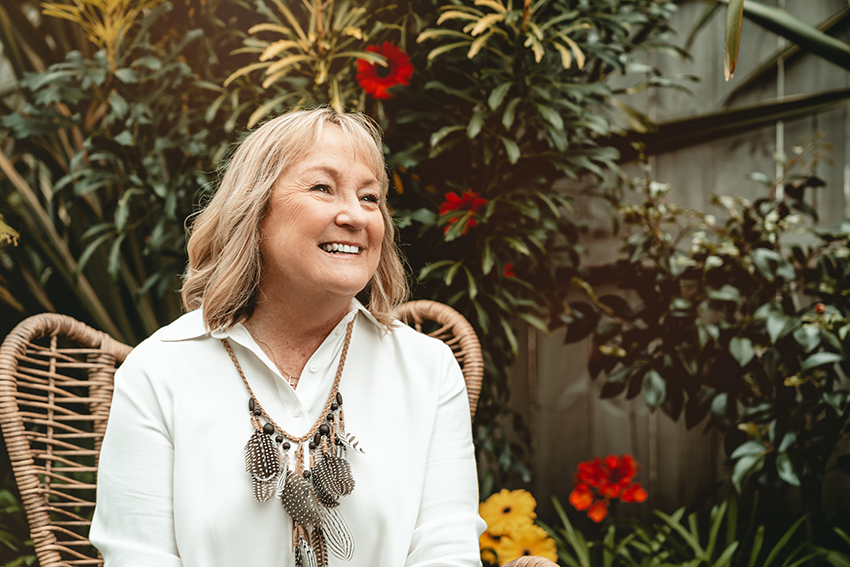
“One boy, James, started living with us and talked about what life was like for his family. I thought, ‘I’m living here and I don’t even know this?’ Then I started going out into the communities and observing and realised we had to do something about it.”
With the help of her home group, Hilary spearheaded the establishment of James House, which provided a safe and nurturing home for up to 20 children with live-in house parents. The older children also had the opportunity to gain life skills so they would be better prepared to eventually find employment. James House opened in 1986 and is still operating today.
CREATING LASTING CHANGE
The blue water glistened, however, and one more epic sailing adventure hovered on the horizon before Hilary would settle in New Zealand with her family and lay the foundations for her next mission. The family built a new boat and in early 1993 set sail to circumnavigate the world.
On arrival in Aotearoa, they bought an old camper van to tour the country and decide where to live. The Bay of Plenty called, and they later discovered Tauranga means ‘safe anchorage’ which, she says, was a comforting confirmation. Hilary soon got relief teaching at Bethlehem College and later worked in an early childhood
Over the past 16 years, Homes of Hope has become a beacon of hope for the many desperate children who have passed through its doors. And as she reads beautiful letters from children in her care and recounts some of the wonderful stories of former foster kids now living confident and fulfilled adult lives, Hilary reflects on the mission she felt compelled to say yes to and says it has been God’s presence in her life that has held her in the tough times, alongside the inspiration of the children.
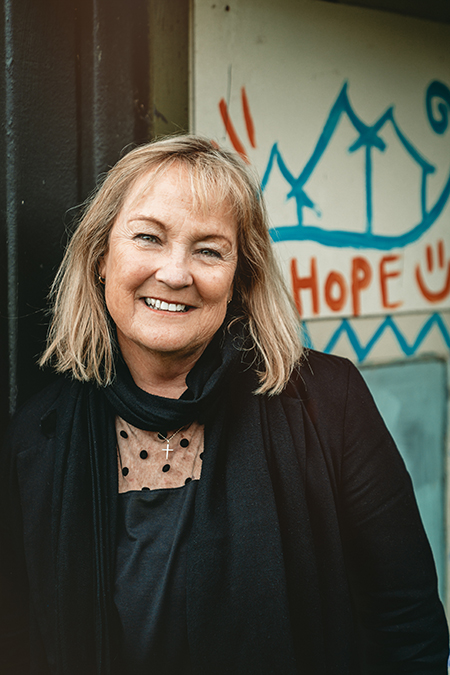
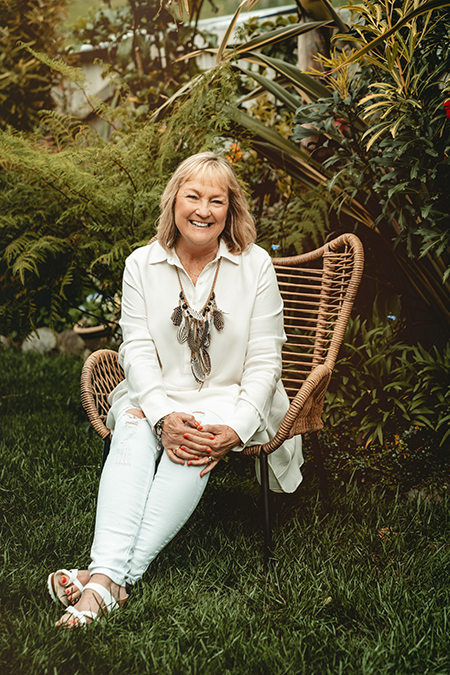
“I would not have continued to stand in the face of all the challenges that have occurred in this journey if it wasn’t for my faith,” she says.
“You do get knocked back at times, and if you’re going to be courageous, you will be vulnerable. You have to learn to step into that vulnerability and live with it because
with every step, you grow. I am just so thankful to be gifted this.
“And I truly think we are seeing a positive change in this country and that our work is rippling out. We are helping to effect that change. It’s happening, but there is plenty of work still to


