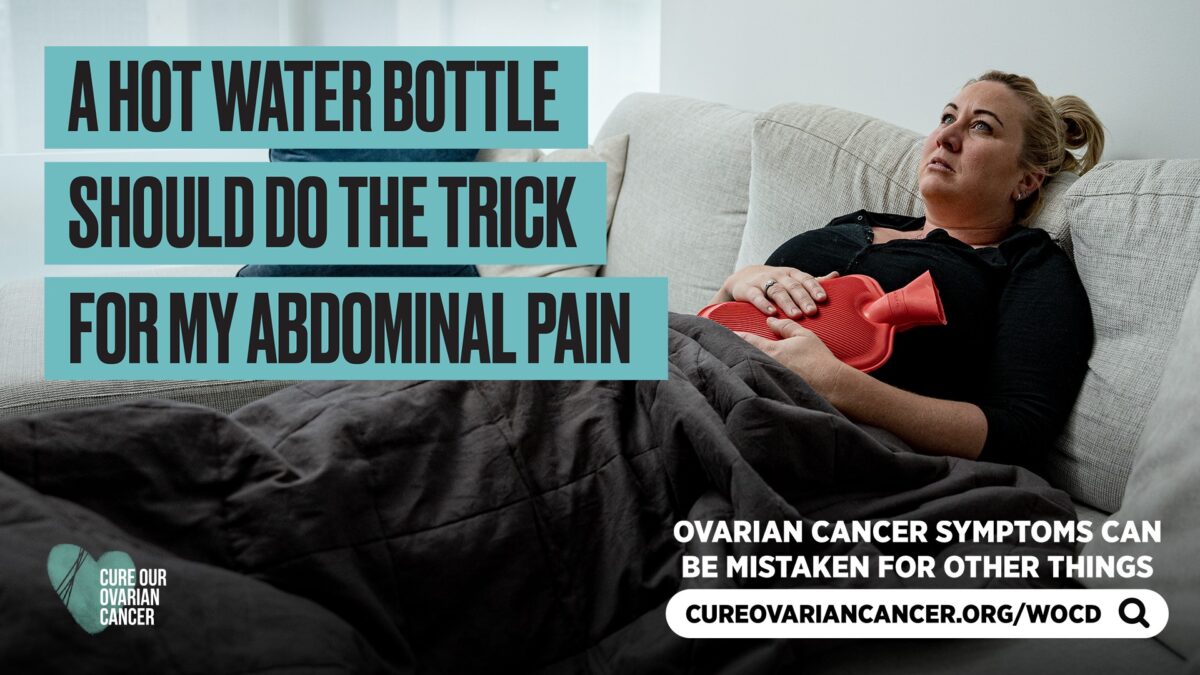
As an ovarian cancer researcher at the University of Auckland and a trustee for Cure Our Ovarian Cancer, I am deeply concerned about the inequality in access to treatment and clinical trials for women with ovarian cancer in New Zealand. It is heartbreaking to know in New Zealand each year, 20 would be living longer lives if they lived in Australia. Living longer could be the difference between seeing their child start school, or not; attending a family wedding, or not; being there to financially and emotionally support their family, or not.

On this World Ovarian Cancer Day, we need to address the issue of why our women are getting left behind. We don’t have the same access to treatments, clinical trials or
standardised testing as Australian women and it means that this already devastating disease has an even bigger impact on New Zealanders who receive an ovarian cancer diagnosis.
Early diagnosis is crucial, and we need to raise awareness of ovarian cancer symptoms so that women can present early and advocate for themselves.
In Australia 50% of women see their doctor within a month of experiencing symptoms, compared to just 8% of kiwi women, likely due to a lack of awareness of symptoms in New Zealand, and a fear of dismissal by their doctor.
Survival rates are another big difference between our countries. The five year survival rate in
Australia is 43.2%, compared to just 36.3% in New Zealand. Aside from earlier diagnosis
there are two other key factors contributing to our shortfall: access to treatments and access to
cutting-edge therapies through clinical trials.
Australia has more publicly funded treatments available, treatments that should be available
to women in NZ facing ovarian cancer. Other non-funded treatments are sometimes given to
patients under a compassionate scheme by pharmaceutical companies. However the
government doesn’t waive the GST on these treatments, some bills for GST and pharmacist
fees rack up to over $2,000 per month.
Women in New Zealand living with ovarian cancer have less access to clinical trials
compared to women in Australia. In fact Australia has nine times as many clinical trials
available. Some treatments that are recommended as standard of care (the recognised best
treatment) overseas are not even funded in New Zealand. If we lag behind recognised
standards of care we will not get access to clinical trials that compare a new drug to the
internationally recognised standard of care drug.
The final issue we face is a lack of research. Since 2011, Australia’s government has invested
$87.9 million into ovarian cancer research. During the same period, through the Health
Research Council, New Zealand invested a total of $18,000 for ovarian cancer-specific
research. The inequality is unjust and avoidable.
As part of our advocacy work Cure Our Ovarian Cancer has presented a National Ovarian
Cancer Report to the Health Select Committee, including recommendations to help improve
outcomes for women with ovarian cancer. Many ovarian cancer patients across NZ have
shared this report with their MP’s and discussed the impact that ovarian cancer has had on
their lives.
This World Ovarian Cancer Day, I urge everyone to get to know the symptoms of ovarian
cancer and seek medical attention if they experience any new or persisting symptoms. Let’s
not leave any woman behind in the fight against ovarian cancer.
Ovarian Cancer Symptoms:
● Abdominal/pelvic pain or discomfort
● Bloating or increased abdominal size
● Bowel habit changes
● Eating less and feeling fuller
To find out more visit cureourourovariancancer.org/nz