One of New Zealand’s fastest growing cosmetic ingredients exporters has launched a multi-million dollar global expansion programme to meet industry demand for sustainably harvested, native plant extracts.
The move follows an approach by a $28bn US retailer looking to incorporate their bioactive ingredients into a new skincare line to supply 500+ North American stores.

Andrea Taimana, founder and CSO of Organic Bioactives, which supplies ingredients to cosmetic manufacturers in over 24 countries, says New Zealand’s geographical position means it is host to distinctive environmental conditions which can positively impact local plant life and create opportunities for the development of cosmetics ingredients for domestic and new export markets.
She says the adaptation of native and exotic plants in New Zealand to depletion of the ozone layer and resulting in significantly higher UVB exposure have seen them produce elevated levels of protective antioxidants – which can form active ingredients for a wide range of skincare and personal care products.
“The impact of the pandemic has seen an acceleration in the shift towards more natural cosmetics, and New Zealand is increasingly being recognised internationally as a biodiversity hotspot that is abundant with bioactives found nowhere else in the world,” she says.
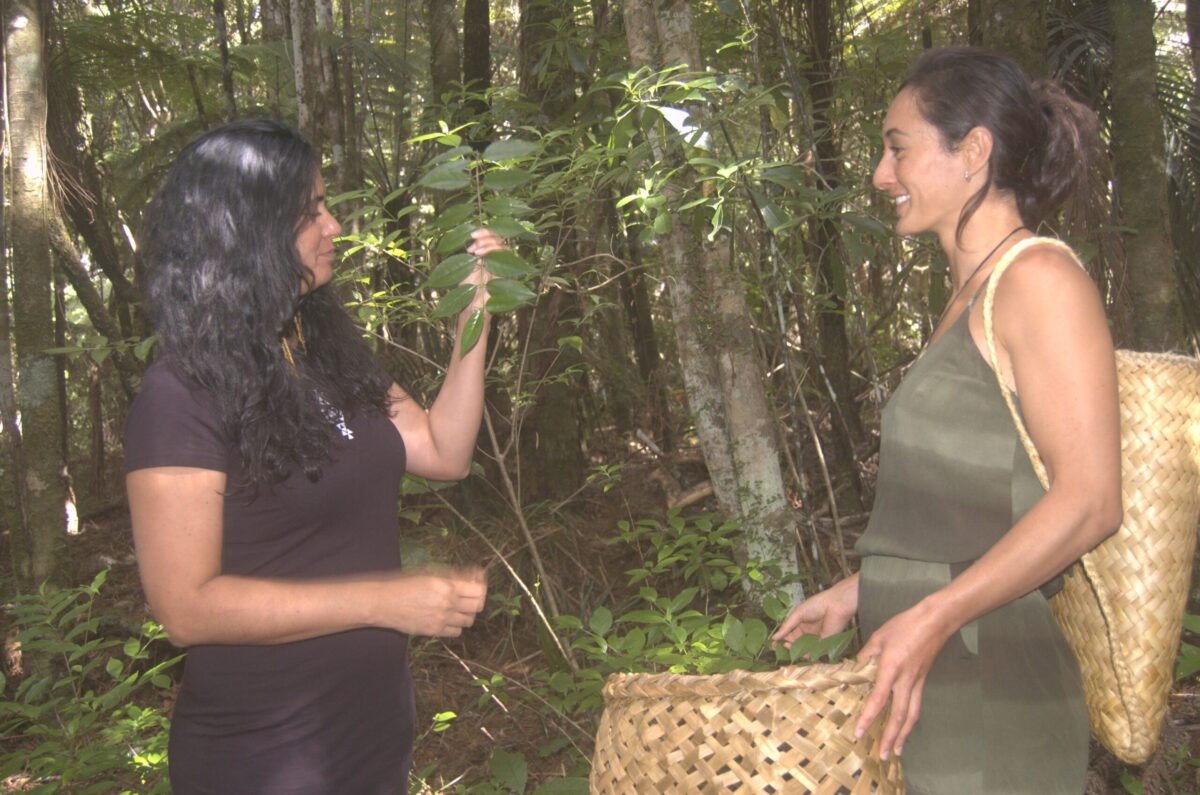
Taimana says all ingredients are sourced locally harvested by local iwi using traditional Tikanga Maori methods along with intensive regenerative replanting programmes.
She says the adaptation of native and exotic plants in New Zealand to depletion of the ozone layer and resulting in significantly higher UVB exposure have seen them produce elevated levels of protective antioxidants – which can form active ingredients for a wide range of skincare and personal care products.
“The impact of the pandemic has seen an acceleration in the shift towards more natural cosmetics, and New Zealand is increasingly being recognised internationally as a biodiversity hotspot that is abundant with bioactives found nowhere else in the world,” she says.
Taimana says all ingredients are sourced locally harvested by local iwi using traditional Tikanga Maori methods along with intensive regenerative replanting programmes.
She says their collaborative He Tautawhitia Nga Pakihi Wahine Maori business model is designed to empower female Maori entrepreneurship – providing economic and educational opportunities in remote communities across Northland, Bay of Plenty and Waikato.
“Collaborative agreements are in place with local iwi to harvest a range of natives including red seaweed, Mamaku black fern, manuka Leaf, harakeke and kawakawa, which are then processed using chemical-free green biotechnologies to create high-value ingredients for the cosmetic industry.
“While the efficacy of manuka honey is established internationally there are many native and New Zealand grown natural botanicals that offer benefits to the skin that are not yet well understood.”
“We believe there is significant potential for this model to be expanded and for this sector to become a billion-dollar export vertical for New Zealand,” she says.
A purpose-built laboratory has been set up for in vivo clinical studies and in vivo testing and a network of almost 1,000 volunteers help develop a New Zealand library of science-backed cosmetic ingredients. Their medium term objectives are to scale the business to produce 10,000kg of extracts each month which, financially, will contribute tens of millions of dollars annually to New Zealand’s export revenues.
There has been a significant migration from the use of synthetics in cosmetics to all natural and sustainable ingredients and New Zealand has high appeal –particularly to US consumers.
With the active ingredients within cosmetics making up to 5% of most skincare products, even small order quantities of raw material can have significant export value – earning up to $250,000 per tonne.
The company has raised $700,000 from existing investors and is looking to raise up to $2 million from local and international investors. They are also investing $1 million to develop a freeze-dried alternative to their current OceanDerMX range at their Auckland facility which means rather than shipping 1,000kg of finished product, they will transport the equivalent of 50kg of powder which will then go into the final formulation.
“This will be a game changer and will significantly reduce international shipping costs, not to mention our carbon footprint.