Whether you’ve got a cat, dog, canary or other loved animal roaming around your home, one thing is true – we all want our pets to be as healthy as possible.
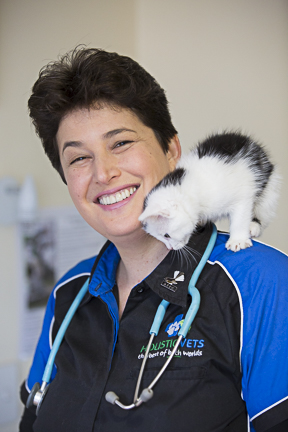
Dr Liza Schneider founded Holistic Vets with the view of integrating both conventional medicine and surgery with complementary therapies to achieve excellent results for animals. focus asked Dr Schneider what questions pet-owners often ask her.
1. Why does my pet’s breath smell so bad?
Smelly breath is usually a sign of dental disease or it could be coming from lower down the digestive tract because of a gastro-intestinal disturbance. A visit to the vet will help to identify the source of the problem.
You can do a preliminary check of your pet’s mouth at home: If you see pus, loose teeth, broken teeth, inflamed gums or ulcers, or your pet won’t let you touch their mouth, dental disease is likely the problem. Your vet will advise on what needs to be done to restore health.
2. Is it safe to give my dog bones to chew?
Appropriately sized raw bones are usually safe for your dog to chew. They can be wonderful for entertainment, exercise of their jaws and promoting dental health, BUT they can be dangerous. Here are some tips on how to keep bone chewing safe:
- Never feed cooked bones as these can splinter, shatter and get stuck.
- Never feed a sized bone that will get stuck if swallowed whole. Chicken necks are usually safe, otherwise large cannon bones or vertebrae.
- Ideally, get bones from a reputable supplier to help minimise the risk of harmful bacteria.
- Avoid bones with a lot of fat as this can cause tummy upsets for some dogs.
- If your dog’s main diet is high carbohydrates (many commercial biscuits have these as their primary ingredient) then the hydrochloric acid in their stomach will likely be depleted and they need this to digest bone. Ideally feed a meat-based diet, or use bones that your dog won’t swallow.
- Don’t give them too many bones that can be swallowed when chewing as this may lead to constipation.

3. Should my pet have flea medication throughout the year?
From a conventional perspective, we fear parasites like fleas, and most commercial flea control products recommend regular use through the year to ensure fleas are kept at bay and their life-cycle is halted from progressing.
From a holistic perspective, we often find that when pets eat healthy diets, their immune systems are supported, and when they live in a clean environment they are less susceptible to parasites like fleas, so the regular use of chemical products is unnecessary.
4. Why does my dog eat grass?
Grass is high in some beneficial nutrients that some pets crave, especially when they aren’t getting enough nutrition from their usual diet. From a herbal medicine perspective, grass may be beneficial to animals with digestive upsets.