New research released last week reveals New Zealand households have made remarkable progress in reducing food waste in the past year, cutting the annual amount wasted by an estimated $300 million in the past year alone from $3.2 to $2.9 billion. That’s the equivalent of feeding 536,000 Kiwis for an entire year.
As the national conversation around food waste continues, nearly half (49%) of all New Zealand households have taken action to reduce their food waste over the past 12 months. This focus on reduction is driven by rising food prices (39%), purchasing less food (33%), and improved food storage practices (30%).
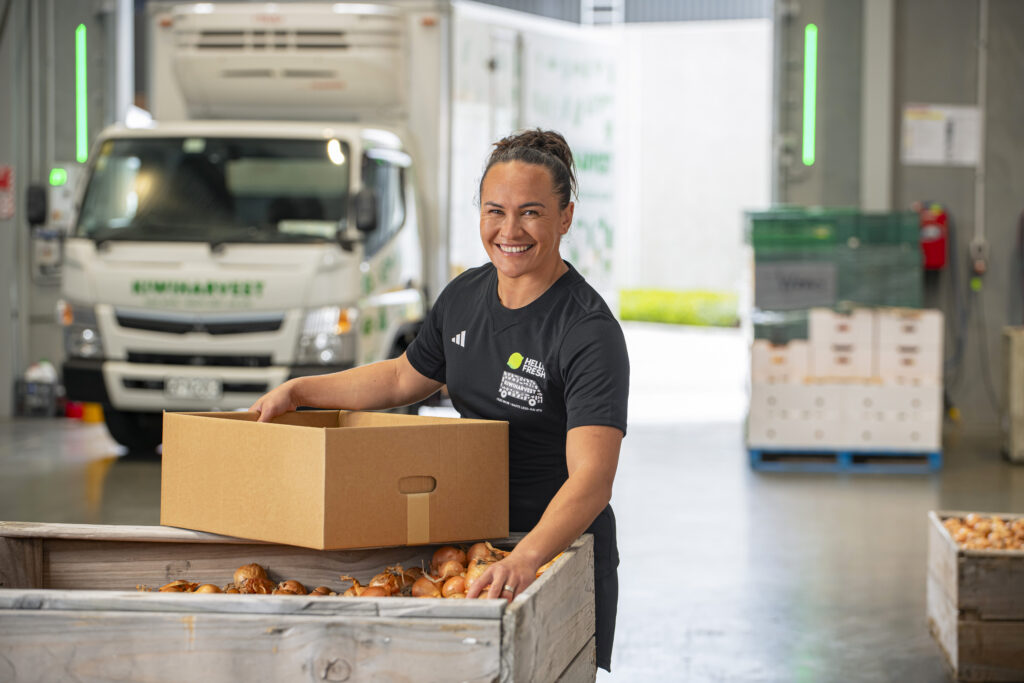
The study of 1,500 New Zealanders by HelloFresh was undertaken to gain a deeper understanding of Kiwis food waste habits, and how the results stack up year-on-year. The findings come as rugby legend Portia Woodman-Wickliffe teams up with HelloFresh and national food rescue charity KiwiHarvest once again for a ‘team talk’ on Kiwis food waste habits as we get closer to the 2030 deadline for our national targets.
Since partnering with HelloFresh in 2023, Portia Woodman-Wickliffe has been actively championing the reduction of household food waste and applauds the significant efforts of Kiwi households saying, “It’s encouraging to see so many Kiwis doing the mahi at home to reduce food waste. By taking simple steps like meal planning, cooking the right portions and storing food properly we can make a huge difference,” says Portia.
Of the 1,500 Kiwis surveyed, 60% spend between $200 – $499 per week on food, up from 45% in 2023 and largely due to the rising costs of food, particularly fresh fruits and vegetables. Those who spend less tend to be more mindful about waste, with 24% of households spending under $100 per week reporting a significant reduction in food waste in the past year.
On average, an estimated 9% of a household’s weekly food shop goes to waste, equating to $1,326 worth of food wasted per household per year. New Zealanders aged 18-29 have the highest rate of food waste, with 12.3% of their weekly food shop going to waste, compared to the national average of 9%.
Angela Calver, CEO of KiwiHarvest, emphasises the role of community involvement and the importance of reducing food waste for environmental sustainability. “Food waste is not just a loss to our pockets, but also an undeniable environmental issue. We’re proud to have just reached the milestone of celebrating 13 million kilograms of food rescued and redistributed to vulnerable communities since we started up in 2012 – but there is so much more work to be done.
Claudia Baptista-Fernandes, Managing Director of HelloFresh New Zealand, highlighted how meal kits can play a role in reducing food waste, “At HelloFresh we are committed to reducing food waste globally by focusing our efforts on everything from the supply chain right to the home kitchen. Our meal kits are designed to deliver exactly what you need by providing fresh, pre-portioned ingredients sourced directly, ensuring that less food ends up in the bin.
By partnering with organisations like KiwiHarvest, we are tackling New Zealand’s food waste issue head on by setting a gold standard for Kiwi households. Meal kits play an important role in reducing food waste, offering a simple and effective way for everyone to do their part.
We’re challenging New Zealanders to set a goal for the next year to help reduce food waste by a further $300 million, at least,” says Claudia.

KiwiHarvest and HelloFresh shared some great tips for reducing waste, including:
- Regrow your scraps put your spring onion and herb roots in water for fresh greens at all times
- Pickle vegetable scraps such as onion, carrots, cauliflower and lemon for tasty additions to meals
- Track food waste in a diary to become more aware of what you’re discarding
- Use your kerbside food scrap bin – store food scraps in the fridge or freezer until collection to avoid odours and pests
- Implement Spend-Free Sundays, avoid unnecessary spending and restocking for the week ahead by using what’s already in the pantry or freezer.
- Sit down for five, to save five! Sit down for five minutes to plan out your week of meals and before heading out to purchase more.
- Create a compost bin at home for fruit and vegetable scraps, coffee grounds, and eggshells. This reduces the waste sent to landfills and creates nutrient-rich soil for your garden.
- Purchase pantry staples in bulk to minimise packaging waste. Bring your own reusable containers to refill at local bulk food stores.
- Upcycle Leftovers by transforming theminto new meals. For instance, roast leftover vegetables into soups, turn stale bread into croutons, or create a frittata with extra cooked veggies.
- Opt for seasonal produce from local farmers to reduce carbon footprints and avoid excess packaging from imported goods.
- Freeze surplus food before it spoils, whether it’s leftovers or perishable items like bread, fruits, or meats, to extend their shelf life and reduce food waste.
Donate to a food waste charity like Kiwi Harvest