There are so many recommendations on how to do the cleaning correctly! Even we can’t avoid the temptation of sharing 14 best tips to clean your house like never before or 5 amazing daily habits of people with clean kitchens every now and then. So, instead of feeling lost with all the things you should be doing, how about we start with things that are definitely not correct? Here are some cleaning myths it’s time to leave behind.
Cleaning equals disinfecting
Nope. The sad truth is, most of your home surfaces are probably not getting enough sanitising if you’re only wiping them with water or, in the best-case scenario, with soap and water. This approach only helps remove VISIBLE dirt, dust and debris. Sanitising removes some bacteria, while disinfecting removes most bacteria. Both require the use of special products. Sanitising usually takes 30 to 60 seconds, while disinfecting might require leaving the product on the surface for up to 10 minutes.
There is no need to wipe if you’re going to sanitise
Wrong again. Proper sanitising or disinfecting can only be done on clean surfaces. In fact, checking the label of the sanitising product you’re about to use should clue you in to how exactly to clean the surface before applying the product.
Bleach cleans everything
The star of every cleaning process is in fact not as versatile as we tend to think. While it’s amazing for disinfecting, laundry stains and bathroom mildew, when it comes to greasy stovetops or dirty fixtures, you’d better pick something else. Baking soda, for example, has a gritty texture and does wonders when it comes to loosening dirty particles. Vinegar is a great limescale remover, so it’s your product of choice for removing hard water stains or cleaning windows. In stronger concentrations, bleach can even be harmful to your family and pets.
Natural, plant-based products are less effective
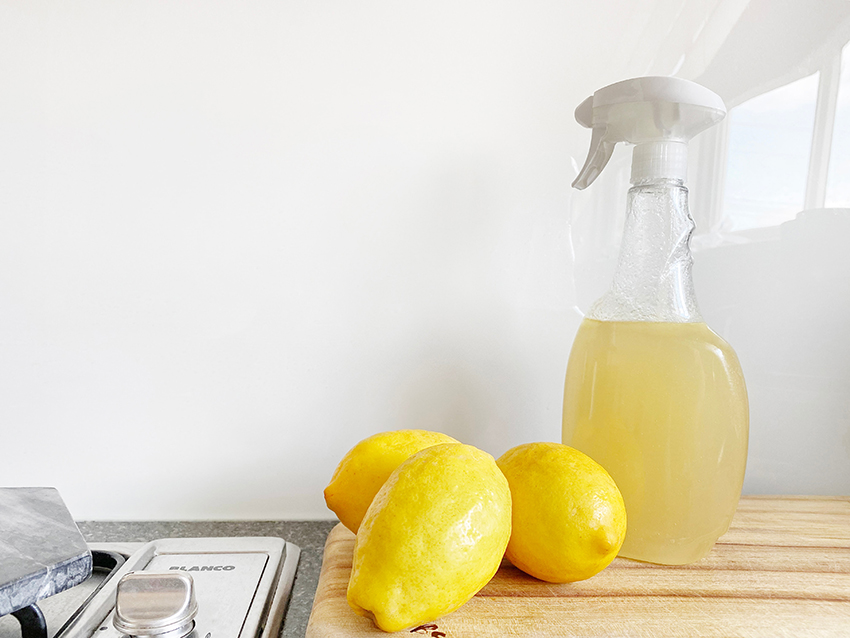
Seriously, what year are we in? Today’s plant-based solutions are as effective as chemical sanitisers, though they often work a bit slower. But proper sanitising is a marathon, not a sprint. If you prefer natural disinefectants, here are the five that have been thoroughly time-tested: alcohol, Hydrogen Peroxide, vinegar, hot water and some essential oils, like patchouli or cinnamon.
Sanitising is effective immediately
Speaking of working slower or faster – proper disinfecting and/or sanitising takes time! Check the label to find out how long a surface should stay wet for the most effective germ killing. For example, the recommended time for the alcohol-based disinfectants to remain on the surfaces to remove COVID-19 is at least four minutes.
It’s OK to use the same products for hard and soft surfaces
Sadly, you can’t disinfect your couch or throw pillows with the same products you use for countertops. Even if it’s safe for fabric, it will probably only sanitise and not disinfect. Traditional disinfectants only work on hard, non-porous surfaces. The best way to disinfect soft surfaces is to chuck them in a washing machine.
Featured image: rawpixel.com – www.freepik.com