Did you know that ‘laundry’ requests on Google reached an all-time high in January 2021? No matter how many years of experience you have in this department, things are constantly changing – newer washing machines, different detergents and evolved fabrics… If you’re still doing your laundry the way your grandma taught you, it might be time to update your approach.
Always read the labels. Pretty obvious? Yet we often skip this step, thinking our new jeans can’t really be THAT different from the old pair. If you want to avoid common laundry mistakes, make sure to quickly check the care label and fabric label, hiding on the side seams, back neck or back waist of your clothes, for accurate recommendations on how to treat this or that garment before chucking the piece into the washing machine.
Sorting out colours. What’s with this advice, really? Is it still crucial to sort out clothes colour by colour? The experts say, no. It would be smart though to divide your laundry into three major groups – darks, lights and colours. Darks include black, red, dark blue and dark grey and brown. Lights are the obvious white plus all sorts of pastels, cream and beige. Colours are pretty much anything in between. With the modern, more durable dyes, this detail level would be enough.
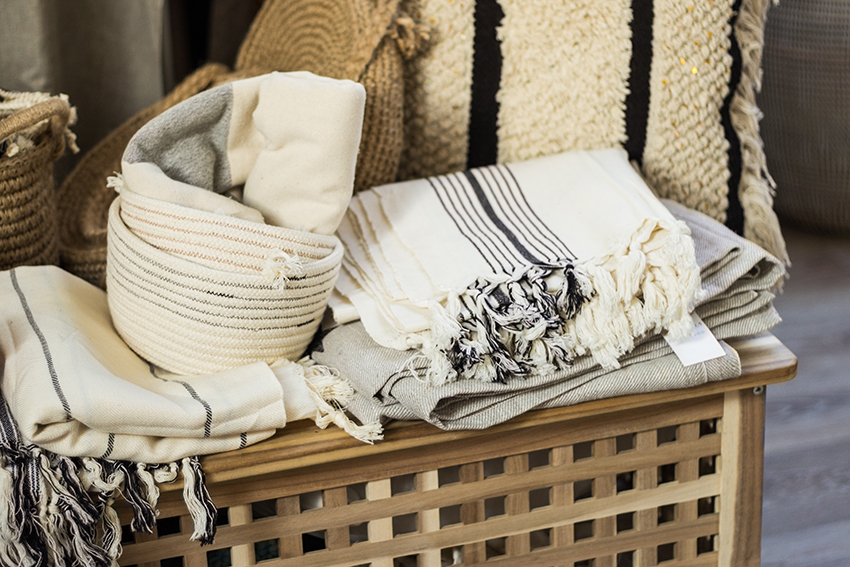
Sorting out fibres. Separate delicate fabrics from coarser ones. First of all, the latter can accidentally damage the former in the washing machine. And secondly, they take longer to dry, causing over-drying of the more sensitive fabrics.
Fastening and zipping. A quick and easy step that will help keep the shape of your clothes intact – always fasten the buttons and zip the zippers before pushing that ‘Start’ button.
Turning items inside out. A dark or embellished piece? Turn it inside out to preserve the colour and avoid abrasion. If you have makeup stains on the neckline of your clothes or the insides of the sleeves have become especially dirty from wearing them rolled up, do the same!
Delicates go in a laundry bag! Underwear and lingerie should be washed in a mesh laundry bag to prevent them from being accidentally damaged during the cycle. Socks and fabric belts can go in a bag as well to keep all the smaller items in one place.
Pre-treating stains. Laundry already takes ages, so who has time for that, right? No. Fresh or dried stains will come off easier and without any consequences if you give them some attention before sending the garment to the washing machine. Different stains require a different approach, so make sure you Google your exact situation.
Choosing the right detergent. Simply picking the most expensive one from the supermarket shelf is not the solution you’re looking for. In general, it’s suggested to use powdered detergent for general loads. Liquid detergents often contain enzymes so are the best choice for heavily stained fabrics. Single-use pods and tablets help with regulating the dosage but are not always the smartest choice price-wise.
To soften or not to soften? Fabric softener (a.k.a. conditioner) helps keep fabrics soft thereby minimising wrinkling and extending the life of your clothes. However, it doesn’t mean you have to ALWAYS add it. Microfibres, sportswear, some towels and water-repellent fabrics will benefit from a wash without any softener.
Choosing the cycle and temperature. Something washing machine manufacturers are yet to agree on are uniformed cycles. You’ll notice these can vary from brand to brand. Read your washing machine’s user manual carefully to understand those specific cycles you’re working with. The generic recommendation is that the more durable the fabric is and the more soiled it is, the hotter and the longer the cycle should be.