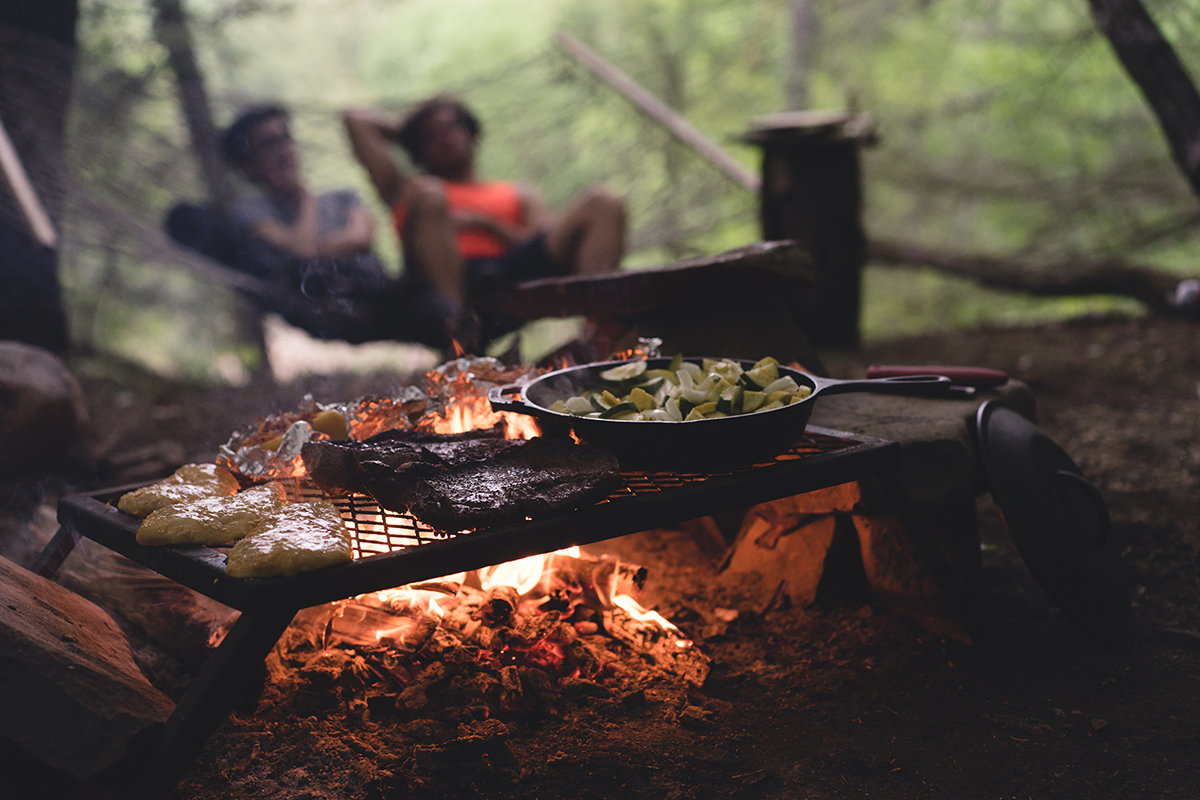
As it did for millions of people around the world, the spiralling pandemic emergency resulted in me having to call off two much-awaited trips in March: a four-day hike on the Kepler Track in Fiordland, and a nine-day kayak trip around Waiheke Island.
And, probably like everyone else, I grudgingly cancelled flights, accommodation and other bookings while accepting it was the only way to lessen the impact in New Zealand. All my gear and supplies, carefully laid out and organised into precise piles on the living room floor, would have to be stored away for some future date.
Read also: How to keep going when the world seems to be falling apart
That’s when I saw the glaring positive in all the trip upheavals – I now had a tonne of dehy food to get me through four weeks of lockdown!
So with the trips called off and a couple of magazine pages to fill, here are some ideas on how to cater for multi-day wilderness adventures, or for global emergencies – whatever comes first.
LIGHTER THE BETTER
Not so crucial in a kayak, but when you’re carrying a pack for four or five days, every gram counts, and dehydrated food gives you the nutrition and calories without the weight. It also takes up less space and creates minimal rubbish to carry out. Outdoor shops stock a variety of meal packs and single items, like dehy peas, but you can make yummy meals yourself for a fraction of the cost. A dehydrator is an excellent investment if you’re planning on a few of these trips, and will set you back around $100-$300, depending on the brand you choose. Or you could just use your oven on a very low setting with fan.
WHAT CAN YOU DEHYDRATE?
Heaps of stuff: fruit, veg, rice, cooked chicken and lean mince, tomato paste, fruit paste, even entire meals. I like to keep things separate and then bring the meal together when it’s cooking, but you can just as easily dehydrate fully prepared meals. A hiking buddy makes a batch of rice risotto with chicken and vegies, dehydrates the whole lot and then breaks it up into separate lunch or dinner bags.
TIP: If you’re cooking up mince, go for premium cuts with as little fat as possible. Oils and fat can result in the food not dehydrating properly and therefore spoiling before you use it. The same goes for cheese in that risotto – better to add the cheese when you eat, rather than combining it with the pre-cooked meal.
HOW DOES IT WORK?
There are different brands of dehydrator available but essentially they all slowly dry the food with a fan, either to the rear or at the base of the unit. Usually, 8-12 hours is needed to ensure complete dryness. Numerous stacking trays allow you to dry several different vegetables or different foods at the same time, as long as you’re not bothered by the potential for strong flavours to taint different foods. For example, I wouldn’t dehydrate a beef chilli with apple slices in the same batch! TIP: You can dehydrate raw fruit and veg but preparing dinner is much easier if you steam or blanch them before drying.
HOW DO YOU REHYDRATE?
When you get to your hut or camping spot, mix your dehy meal with some water and let it sit until you’re ready to organise the meal as this helps to start the rehydrating process without wasting your fuel. After about an hour, put the pot back on the stove (with more water if required) and add any sauces or spice mixes for flavour. There’s no reason to eat bland food on multi-day tramps, and supermarkets stock various sauce packs or spice sachets, which are lightweight and don’t leave you with lots of rubbish.
TIP: Coconut milk powder is your BFF on the trail when it comes to Thai curry dishes! Simply stir into the hot dish before serving.
HOW DO YOU STORE AND CARRY DEHYDRATED FOOD?
Dehydrated food can be kept in well-sealed containers in your pantry or in the fridge. It’ll last a good couple of weeks, even months for some foods, but use your common sense and don’t risk eating any food that has been on the shelf or in the fridge for way too long.
If moisture gets inside, it will spoil in the same way as normal food. Practise good hygiene measures and make sure your hands are clean before handling the food.
For wilderness trips, I pack my dehydrated food into small plastic bags which can be washed later and reused for another tramp. If you’re not using plastic at home, you could try wrapping in paper, or wax cloths – just remember to then pack into a hiking dry sack to prevent anything getting wet.
As it turned out, my kayak trip got a last-minute reprieve, albeit cut down to seven days and with fewer people. With pandemic food supplies now depleted and wilderness trips back on the agenda, it’s time to bring out the dehydrator again!