Tauranga-based charity Live for More runs surf therapy programmes to help disengaged young men find purpose in their lives and become caring, respectful and contributing partners and fathers. The rush of catching waves is not only a positive addiction, it’s also proving a powerful way to build relationships and break down barriers. focus talks to founder Krista Davis about how she’s helping steer her clients away from a life built on drugs, violence and crime.
Words: Millie Freeman
Images: Vanessa Laval-Glad
Hair and Makeup: Sophie Garth
A Live For More graduate put it like this: “If you don’t keep catching those waves, if you don’t keep paddling out then you won’t catch anything. It’s sort of like that in life, if you don’t keep trying you’re not gonna go anywhere.”
As well as learning to surf, this young man took away a much deeper life lesson: with effort, determination and resilience, getting the life you want is within your grasp.
Who knew learning to surf could offer such a strong metaphor for our own journey through life? We learn, push through the barriers, ride the highs and lows, fall down, get back on our feet … rinse and repeat.
It’s a metaphor not lost on Krista Davis, who established Live For More in 2015 when she could see the potential of marrying her two passions – surfing and helping disengaged youth find a way out of addictions and a life of crime. Her own passion for surfing began as a teenager living in California. She loved the natural high it gave her and since then has seen the same thing happen when she’s out on the waves with the guys – predominantly young Māori men.
“It’s a feeling of freedom and a massive adrenalin rush, which is why it’s so good for the guys,” she says. “It’s a challenge they have to overcome and a real sense of achievement – catching the wave, popping up, falling off and going again – your brain is releasing heaps of endorphins.”
After studying psychology at university – including a six-month exchange to New Zealand – Krista, now 33, moved here permanently in 2009 and worked in Auckland at a residential drug and alcohol rehab for youth before shifting to Tauranga in 2011, where she worked as a registered drug and alcohol clinician. She loved her work, but wanted to do more for disengaged youth.
“We’d get these young guys referred to us from probation but they didn’t want to be there, so it took ages to build rapport. I knew surfing could help change that; I just wanted to get them out of the four walls of the office.”


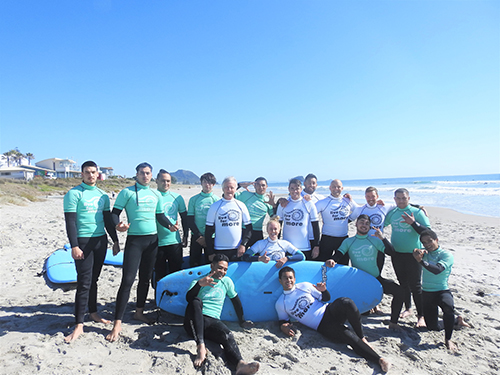
Pre-surf karakia.
Image by Lorna Davis
An epic party wave with heaps of stoke on a Tai Wātea surf therapy programme day, February 2020. Image by Lorna Davis
Image by Tash Gojak
BREAKING DOWN THE BARRIERS
Around this time she organised a surfing day with at-risk youth. Their joy and engagement made her realise the ocean was a powerful tool staring her in the face. She figured, “These kids would rather go surfing than smoke drugs, so why don’t we turn this negative addiction into a positive one?”
She proposed a 4-week pilot involving surfing and clinical sessions for young men. It was a huge success with the four guys turning up for every session, and developing a natural rapport with Krista that made clinical work in the office so much easier.
“Understandably the guys are guarded and hesitant to trust anyone because of the trauma they’ve been through. They’ve always been told to harden up, but by building a relationship with them on the ocean, the barriers start to come down. All of this hurt, pain and shame they’ve carried for so long starts to come out.”
Her observations are echoed by surf therapy programmes around the world – many of which run programmes to help youth struggling with depression and anxiety. Research shows when young people are unplugged in the water they’re ‘in the moment’ and more aware of their surroundings; negative thoughts take a backseat while they’re focused on the learning; there’s no failure out on the water, instead a sense of achievement with every milestone reached, and the dopamine surge promotes a sense of wellbeing. Many of the guys have also told Krista they feel like the water is washing away the negativity in their lives.
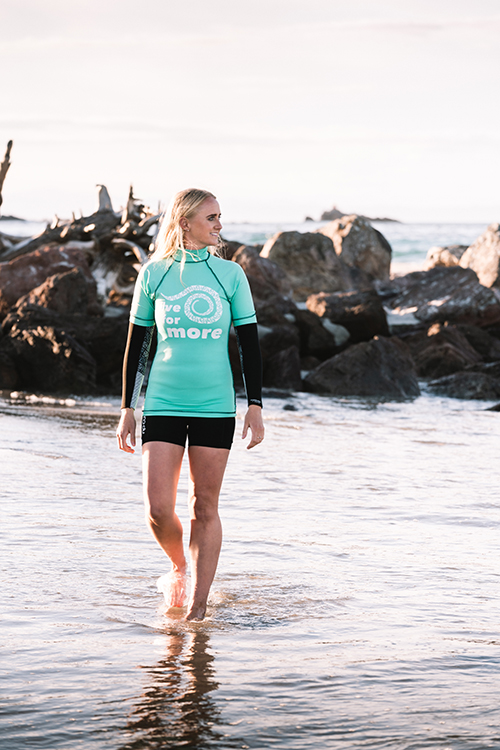
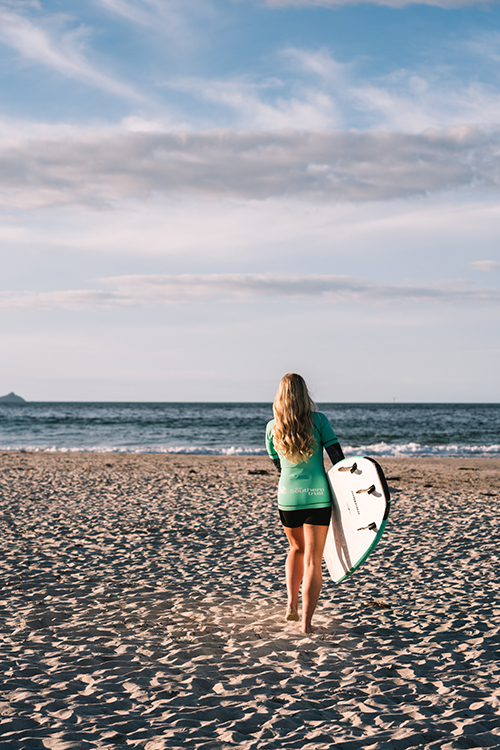
“They come alive in the water,” she says.
“It doesn’t matter what gang patch they wear, what drugs they use, what crimes they’ve committed or how many years they’ve been in prison – the ocean doesn’t judge them.”
When they’re not anxious about the future or drawing on the past, their brain is present in the moment, which is a healthy place to sow the seeds of change, she says.
WAVES OF FREEDOM
Spurred on by the pilot’s success, Krista developed and refined the programme and eventually took the plunge, quitting her job in 2015 to establish the charitable trust. In the last five years she’s seen more than 70 young men graduate from the eight-week flagship programme Tai Wātea, which means waves of freedom, and has provided support and mentoring to around 50 others – 125 young men with stunning potential but who, from an early age, were steered onto a trajectory of drug and alcohol addictions, gang involvements, violence, crime and, for many, jail time.
“These guys have never been given a fair chance in life. Of the 10 main categories for adverse childhood experience, including abuse, neglect and household challenges, most of these guys have had all 10. In order to grow and learn we need to be in calm, safe situations and they’ve never had that; they’ve constantly been in survival mode.”
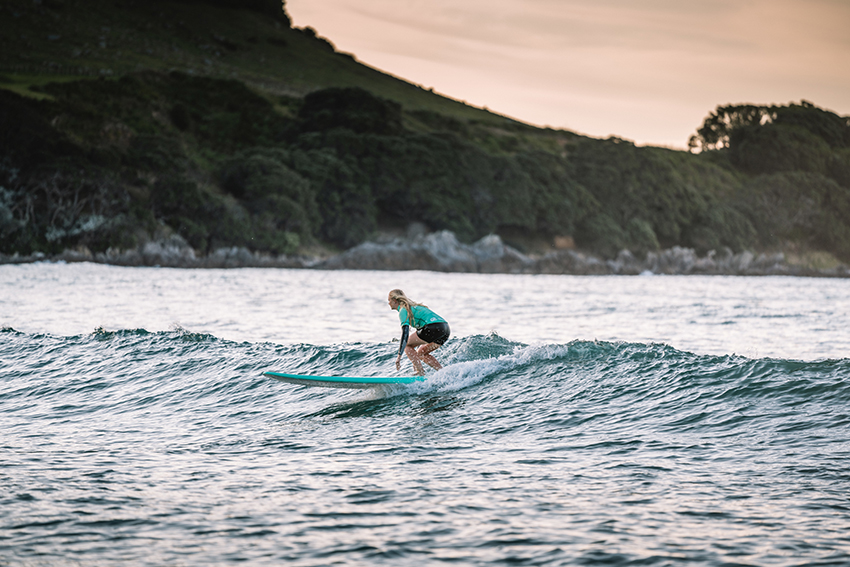
Each week focuses on a different theme – freedom, connections, potential, purpose, empowerment, perseverance and so on. Tuesday mornings are spent surfing, followed by lunch, a cultural session to learn their pepeha and a haka, and clinical group work. On other days they come in for one-on-one clinical work with Krista, and a session with the youth navigator to start putting change into action, such as preparing a cv and finding employment. Along with Krista, the team comprises three other full-time staff, an administrator, fundraising contractor, volunteer surfing instructors, and a Board of Trustees. The charity is funded 100% through community grants and private donors.
Two more programmes are now also offered: Tai Tautoko (waves of support), which, alongside surfing, provides ongoing support to the young men once they’ve finished Tai Wātea; and Tai Ora (waves of change), which introduces new referrals to the more intensive programme.
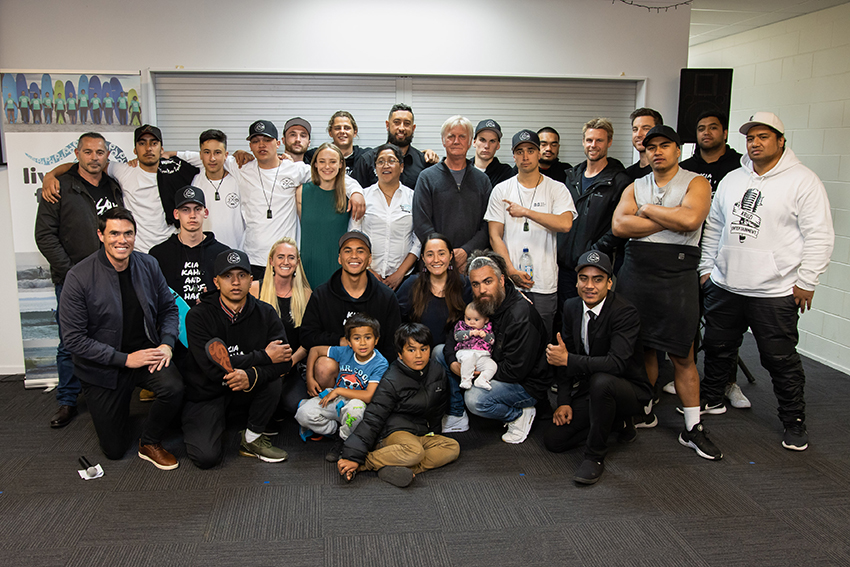
“All the guys I’ve worked with are desperate to change but they don’t know how because no one has ever shown them, so this is the place where they can learn. Yes it’s hard work, but it’s definitely possible.”
GIVING UNCONDITIONAL LOVE
Many have been able to turn their lives around and are working, drug-free and out of gangs, but graduating from the programme doesn’t guarantee immediate success. Some reconnect with their old crowd and take a backward step, some go back to jail, but Krista and her team continue to offer support and re-engage with them whenever they’re ready.
“What these guys need to grow and thrive is our unconditional love. They may have made some poor choices but that doesn’t define who they are. We tell them, ‘if you get stuck in the mud we’re going to get stuck in the mud with you and help you get out’.
“Are they perfect? Oh my gosh no, but all have good within them. They’ve been judged and labelled all their lives, but here they’re not judged, and if we can draw out their true identity and the mana within them, they begin to believe in themselves and leave here with hope for the future.
“When they can learn to love themselves, and start seeing themselves from the lens we see them from – as a beautiful human being with so much potential and purpose in life – that’s when they can go on to becoming loving, respectful partners and awesome fathers to their kids.”
To find out how you can donate, support or volunteer with Live For More, please visit liveformore.org.nz
Jared Dixon – Switching for Good
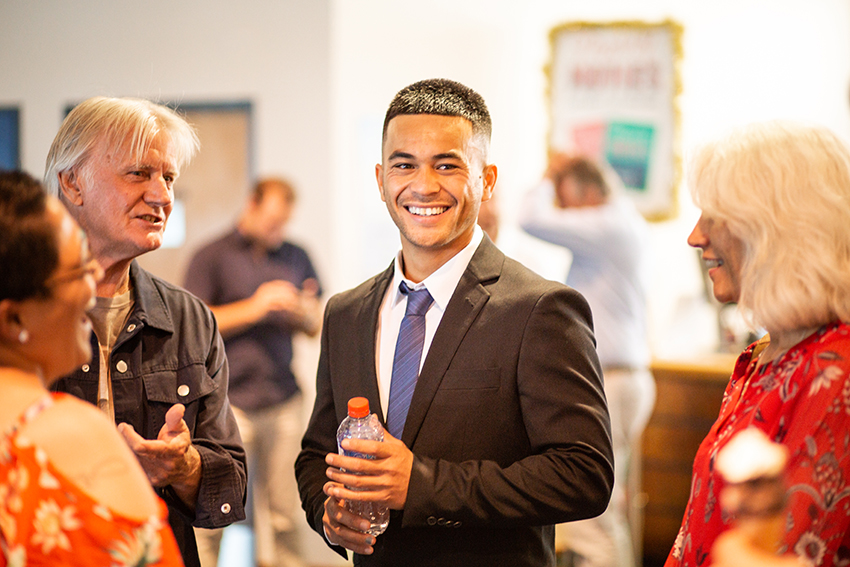
Jared Dixon had already spent six years in prison before he joined Live For More’s Tai Wātea programme,
aged 23. He’d first met Krista Davis at 20 and wanted to do her programme when he got out after three years for aggravated robbery. Instead, he hooked up again with the gangs, drugs, violence and crime. He went back inside for another three years, but Krista never gave up trying to reach him.
“She wrote to me throughout my term which was real positive for me,” says Jared. “She was planting those seeds. I could tell she really cared.” Jared was still caught up in a bad scene when he did Tai Wātea, but enjoyed the chance to try surfing for the first time and be around a group of positive people.
“Just getting out on the ocean was real cleansing. It felt like I was washing off the bad wairua; all the bad stuff happening on the land. At the time I was getting into trouble and smoking drugs; there was always some drama going on, but out on the sea, you can’t hear anything, just the waves. It was so quiet and peaceful.”
Jared graduated and began employment as a builder, but the drugs and negative influences threw him off track.
“I was taking meth, I lost my job and hit rock bottom. I knew I was either going to get shot, kill someone or end up back in jail. Then one day I had a big fight with my mum and dad and just broke; I knew there had to be more to life than this.
“I called Krista and she picked me up and I just poured my heart out. She invited me into her church and I talked to the pastor. Now my faith has switched my whole mindset. I feel more free and peaceful. I know where I’m going, but I couldn’t see that before, because of what I was surrounded by.”
That was in early 2019 and since then Jared’s been drug and alcohol free and has cut all ties to gangs and negative influences. He’s also kept up the surfing. In September he got a full- time role with Live For More as a youth mentor and he’s loving it.
“I work with the boys after they graduate to help them into jobs and reach their goals. I can tell my story and walk with them because I’ve been there before. That’s what these young fellas need – to be surrounded by positive people who care about them.”


