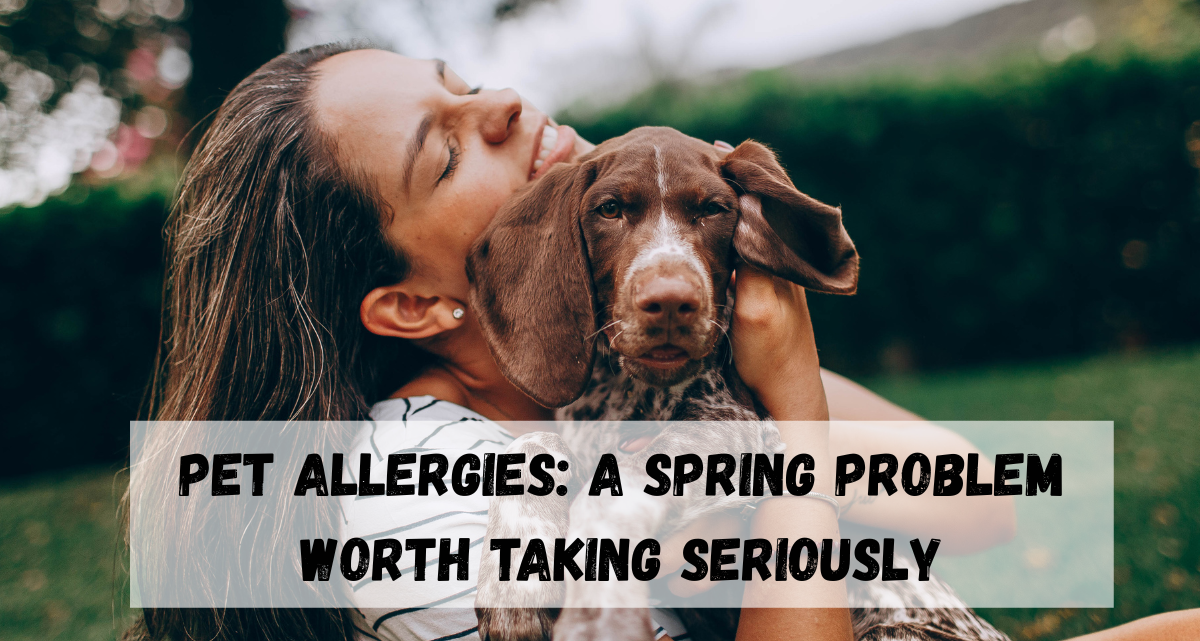
Spring may bring longer days and the first signs of warmer weather, but for pets it can also bring a sharp spike in allergic reactions. PD Insurance claims data reveals allergic reaction claims surged approximately 182% from winter to spring in 2025, with spring recording nearly three times as many allergic reactions as winter.
The reasons behind allergic reactions can vary considerably. Some are relatively easy to identify, while others remain a mystery even after a veterinary examination. The signs can range from mild to potentially life-threatening. Pets experiencing an allergic reaction may show itching, agitation, panting, swelling, rashes, sneezing, congestion, inflammation, vomiting, lethargy, trouble breathing or eye discharge, to name some signs.
Potential triggers can include, but are not limited to, inhaled or contact allergens, to parasites, insect bites and stings, and secondary yeast or bacterial infections. Michelle Le Long, COO of PD Insurance, says knowing what’s behind a reaction can help pet owners take practical steps to manage it. “Where possible, reducing exposure to known triggers, such as checking your pet after time outdoors, can help minimise reactions alongside any treatment recommended by your vet.”
Start with the signs and keep a record
Dr Hayley Hunt, Chair of PD’s veterinary partner Healthy Pets NZ, says dogs are generally more susceptible to seasonal allergies than cats as they often spend more time outside and in different places. Environmental triggers can produce a reaction similar to hay fever in humans, and for some pets the problem can persist for years.
“The challenge is that there isn’t always one obvious cause,” she says. “There can be multiple allergens, and they can change with time and exposure.” For pet owners trying to work out what is triggering a reaction, Dr Hunt recommends keeping an ‘itch diary’.
Note where your dog has been, what they have been doing, when the signs appear and whether there are particular times or locations where things become worse. If you are using a treatment, record how your pet responds to it. Photographs can also be useful. As Dr Hunt points out, pets have a habit of appearing considerably healthier once they arrive at the veterinary clinic, and some signs can appear and disappear rapidly.
Shampoos, food and bedding are not confined to a specific season but can also play a part. Dust, mould and pollen accumulating where a pet sleeps may contribute to ongoing irritation. The objective isn’t necessarily to diagnose the allergy at home. Rather, the information can help build a clearer picture for the vet and potentially narrow down what is causing the reaction.
Bites, stings and plant exposure
Claims from 2025 included reactions associated with bee and insect stings, spider bites, bluebottle stings and contact with plants such as wandering jew (Tradescantia). Examples include pets developing swollen faces, widespread red lumps, rashes and inflamed paws, while others experienced vomiting, lethargy, excessive licking or sneezing.
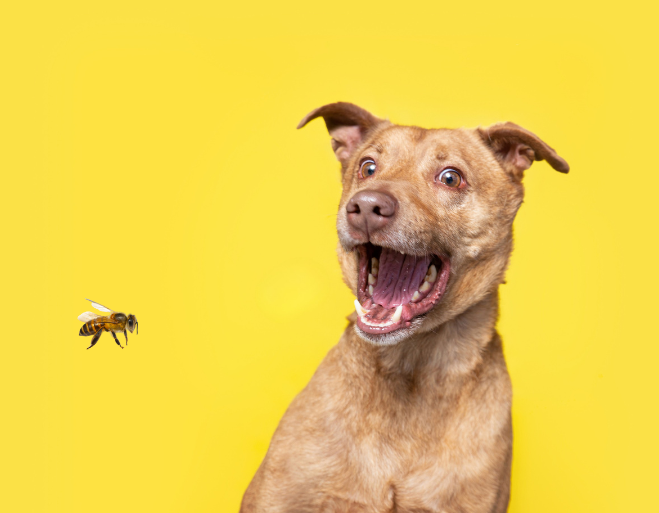
Some reactions can be more serious. Asked about unforgettable moments with their pets that strengthened their bond, several respondents to PD’s 2025 Pet-Human Bond survey recalled the impact of nearly losing them to severe allergic reactions.
Speaking about their dog, one respondent shared that “almost losing him twice to an accident and allergic reaction made us realise how much he means to our family,” while another recalled having experienced “When she had an allergic reaction to a bee sting and almost died.”
Ongoing treatment
“Allergies have been in the top ten most frequent claim types for dogs in the past few years,” says Michelle Le Long. “Certain breeds such as terriers, retrievers and bulldogs, to name a few, are especially known to be allergy-prone.”
Some dogs with significant allergies require ongoing treatment, including regular injections, which can mean repeated veterinary visits and considerable expense. Michelle has personal experience of this as a Bulldog owner. “Specifically, kikuyu sets mine off, so I avoid that like the plague,” she says. “And diet can make a big difference too.”
Managing allergies is often about reducing exposure where possible while also keeping the pet’s overall level of irritation under control. Depending on the individual animal and veterinary advice, management can include washes, topical treatments, tablets or injections.
Ultimately, navigating through the peak allergy season requires a bit of proactive care. By combining a watchful eye with professional veterinary support, owners can keep their pets comfortable and safe through severe seasonal spikes, and all year round.
About PD Insurance (pd.co.nz)
PD is a pet insurance specialist offering pet insurance for cats and dogs with no annual lock-in contracts. The business is a pet insurance company created by pet people for pet people and is committed to fast and fair claims (in as little as two business days).