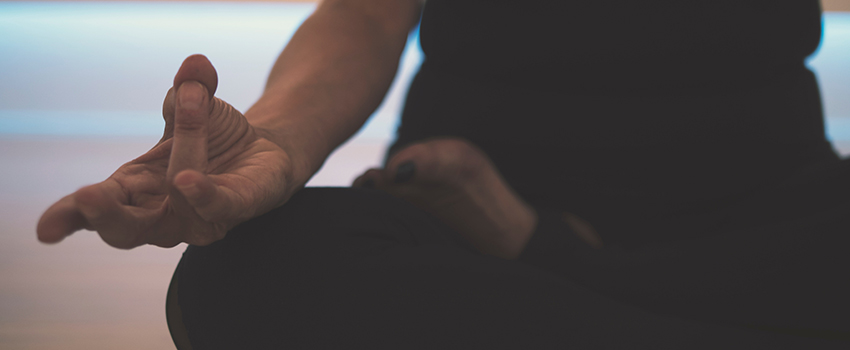
Sophrology is a term that was introduced in the 1960s and is having a resurgence in popularity. It’s the latest twist in the holistic approach to health and includes practicing mindfulness, clearing your thoughts and balancing emotions.
What is sophrology?
Scientifically speaking, it’s a a combination of body, mind and breath exercises. Spiritually speaking, it’s a practice for self-development and stress management that consists of breathing, visualisation, body awareness techniques and a type of meditation. But our favourite description of sophrology is ‘achieving an alert mind in a relaxed body’.
It’s thought to be an easier alternative to meditation because, with sophrology, you usually have an experienced person guide you through the whole process instead of trying to ‘reach zen’ all on your own.
But how is sophrology different from mindfulness?
Mindfulness encourages you to be more present, to be aware of what’s happening around you, to be in the moment. So, it’s more about looking outside, while the main focus of sophrology is to look inside and be aware of what’s happening within your body, how you feel in it, how all the systems inside are functioning.
The visual difference is in the way you act during both practices. Mindfulness is meditative and you’re meant to sit still and quietly. Practising sophrology means being in constant movement. Simple moves are made to help you relax and, according to sophrology specialists, it’s easier to focus and clear your mind while moving.
Sophrology is also more goal-oriented than other mind-body practices. If you practice it with a guide (not an app, a book or a YouTube video), the first thing you’ll do together is discuss exactly what you’re trying to achieve.


Who needs sophrology?
This practice is really useful for people suffering from anxiety, insomnia and stress. It also helps people who might be preparing for big events such as a wedding speech or job interview as calming down the emotions and keeping a positive attitude might be all you need!
Athletes are another group of people who often practice sophrology as it helps them to tune in with the body, learn to hear its signals and to improve performance as a result.
How do you practice sophrology?
The first thing would be to let your guide know what you’re trying to increase (or decrease) within yourself, so that the guide can tailor the practice accordingly.
Then you’ll do some simple movements and stretches to ‘scan’ your body. Using the tips of your fingers you’ll connect to different parts of your body to become more aware of it and to start the relaxation process.
Next up are the breathing techniques that are also combined with welcoming positive intention – be it a joy you need in your life, some extra confidence or a positivity boost. One of the most common breathing exercises used in sophrology is closing your eyes, breathing in, and holding your breath for a few seconds while tensing all the muscles in your body. As you exhale, release all the muscles and allow the body and mind to slow down.
The next part is visualisation, where you sit back and imagine your comfort place and how your body and mind feels being there.

These are only the first few steps of the 12 levels of sophrology. it might sound confusing, but a guide or a good app on your phone will make the process of finding the balance and happiness in your body and mind really easy.
How many sessions do you need?
It depends on what you want to achieve! A single session will make you feel more relaxed and you’ll learn some simple breathing techniques to reduce anxiety and stress but, just like with yoga and meditation, the more you practice, the more in flow you become with your body, your emotions and thoughts.