Time outs are a parenting tool that gives designated space to an overwhelmed child where they can take a moment to collect themselves.
The concept of time out isn’t rooted in punishment and shouldn’t be considered punitive. Ideally, time outs are a great way to help small children with big feelings learn to regulate their emotions, collect themselves, and regain their composure before returning to their routine. Though a designated spot like a chair is one option, a time out is more about what happens during the practise rather than where the practise happens. Essentially, a time out can happen in the most appropriate location at the time.
Watching a toddler struggle can be painful. Little people have the same range of emotions as adults but lack the life experience to regulate their emotions and articulate what they are feeling. This can lead to physical and emotional outbursts that can be dramatic and intense… for adults and children alike. Helping children take a moment in a safe place to release their feelings – physically and emotionally, and regain their composure is a loving and kind parenting tool.
At some point, children develop new coping skills and learn to express their emotions in less dramatic ways. The need for a time out may reduce in frequency and intensity but that doesn’t mean children don’t need to metaphorically take a time out anymore. As a matter of fact, time out chairs aren’t just for kids. Everyone can benefit from a time out at any age – even adults benefit from putting themselves in the time out chair from time to time. Don’t let age and maturity level fool you into thinking you’re too old for a time out.
As adults, we all face overwhelming circumstances from time to time that elevate our blood pressure and our feelings. Though we may not fling ourselves on the floor and flail around, inside there is a raging toddler tantruming. When life is simply too much, a time out may be just what you need.
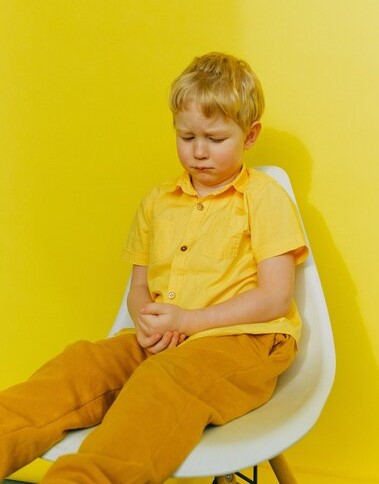
Adult time outs could literally be sitting in a chair taking a deep breath and trying to calm down for a few minutes. A time out could look like taking quiet space in your room, closed off from family for a short while. A time out could look like a walk and isolation from all responsibilities for a few moments. There’s no right or wrong way to take a time out when life’s too much.
The time out tool is just as effective for adults as it is for toddlers. Finding a proper location and length of time for an adult time out can make a big difference in the ability to cope with stress, regain composure, and get back to the responsibilities at hand.
Sometimes we all need time out
It doesn’t matter who you are or what you do, we all need a time out once in a while. Even the most composed and emotionally stable people need to check out from time to time. As a matter of fact, it’s the act of checking out that may help them be composed and emotionally stable.
Sometimes you need a stronger person to guide you
Parents and caregivers are the link to a good time out. When we are weak, others are strong. Look for the helpers and trusted people in your life who support you; good friends and family recognise when we need to take a moment to ourselves.
What feels like isolation can become a slice of heaven
Going to ‘the chair’ or designated time out spot starts out feeling like punishment. Most angry or overwhelmed toddlers see time out as adding insult to their injury but it usually only takes a few moments in time out for toddlers to recover, calm themselves, and actually enjoy a moment of peace and quiet.

At some point, kids ask for the chair
Once time out is established as a positive way to resolve anxiety, stress, and overwhelm, children tend to ask for a time out when they need space. Using time out as an emotionally healthy experience can create the habit of taking personal time when we need it and this can be a wonderful tool to use throughout our lives. Taking space as a habit of self-care is an act of love. It’s ok to need time alone to recoup. It’s not selfish, it’s beneficial.
The lessons learned in the chair translate throughout life and can be used at any age to take a moment for yourself when you need it most.
Overwhelmed and Exhausted? You Need a Time Out
If you’ve been around toddlers you know they are a bundle of energy, curiosity, and intensity. Toddlers are constantly taking in new information and when they don’t get enough sleep during the day, they often feel tired and overwhelmed. Instead of going for a restful nap, they often fight the sleep they need because they don’t want to miss out on anything. FOMO is a real thing for toddlers.
If a toddler doesn’t get proper sleep, they tend to overreact to things they typically wouldn’t be affected b, because they are overwhelmed. This can lead to melt downs of epic proportion.
If you think about it, as adults we tend to do the same thing. We allow ourselves to get physically and mentally worn out and out of the blue, we become sensitive over things that really don’t matter. That’s when we need a time out.
Unlike toddlers, we are generally very aware when we are exhausted and overwhelmed. It’s up to us to know when we need a time out and take some space to regain our composure.
Taking a Time Out Is A Form of Self-Care
As adults, we may not use the term time out but it’s often exactly what we need. Taking time to break the cycle of exhaustion and overwhelm can help us recover physically and emotionally so we can cope better with everyday life.
A time out can be a rescue tool when you’ve gone off the edge and need to unplug before something awful happens or it can be an intentional part of your routine to prevent burn out. Either way, time out is a great resource to combat overwhelm and exhaustion.
Don’t feel guilty for taking time out from your schedule to take care of yourself. In the end, you’re doing everyone a favour. The less stressed and more rested you are, the more effective you’ll be and the easier it will be for people to be around you.
Most people wanta cranky toddler to take time out and get some rest. It’s the same for you and I. Feeling overwhelmed and exhausted is an indicator we need an adult time out so everyone can benefit.
Make the Most of your Time ‘In the Chair’
An adult time out is a form of self-care that helps combat:
- Stress
- Overwhelm
- Exhaustion
- Anxiety
For adults, the chair can be metaphorical. Taking a time out as an adult doesn’t require a designated space, it simply requires you to take time to regroup and refresh before going back to whatever is next on the agenda. The key is to make the most of the time you take for it to be effective.

Taking a time out when you are stressed
Healthy time out can reduce stress. Taking a moment to use deep breathing exercises, go for a walk alone, or some other activity can help. When you experience stress, taking a few moments to engage in a positive activity can help alleviate some of the stress.
Taking a time out when you are overwhelmed
Overwhelm can trigger a number of responses. Some people react with anxiety, anger, sadness, or fear. Whatever response you experience, find a time out technique that helps. Take a hot shower or bath. Exercise is a great time out activity for overwhelm too. Identify what works best for you and use it when you need a time out.
Taking time out when you are exhausted
It’s hard to be productive when you are exhausted. Taking time to rest can help. Power naps are an excellent way to boost your energy when you are exhausted but can’t take the day off. Even twenty minutes of uninterrupted time with your eyes closed can make a difference. Healthy snacks can also help boost energy and build stamina when you are tired. Focus on protein and avoid high-fat, high-sugar foods which can make you feel worse.
Taking a time out when you are anxious
Feeling worried, scared, or other symptoms of anxiety can wear you out! Taking time out to centre yourself and find peace is important. Take a time out by trying a relaxing activity like Yoga or meditation. Read a great book, journal, or listen to music. Make the most of your metaphorical time in the chair by finding time out techniques that work well for you.