
There’s no shortage of books promising to make us healthier, happier, slimmer and more energetic – but which ones are actually worth reading? We’ve taken a look at five recent wellbeing and nutrition books covering everything from recovery after surgery and the fascinating world of gut health to inflammation and everyday nutrition. Some are packed with science, others are wonderfully practical, and a couple might even make you laugh about subjects you’d normally rather not discuss! Here’s our take on five books that could give you plenty of food for thought – quite literally in some cases.
Heal Better, Heal Faster: Using Food to Flourish After Surgery byLynn Slovak
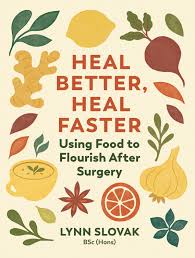
This newly released book immediately caught my attention, and I was keen to include it in this round-up. Once I started reading, I quickly became absorbed in its message. When you’re recovering from surgery, there’s a lot to think about – medication, appointments, rest, getting mobile again and simply trying to feel like yourself. But one important part of recovery can easily be overlooked: what you eat.
That’s the idea at the heart of Heal Better, Heal Faster, a just-released book by holistic nutritionist Lynn Slovak. Written following the author’s own experience of a serious injury and two major surgeries, the book explores how food can help support the body during what can be a physically and emotionally demanding time.
Rather than presenting recovery as something that simply happens while we wait for our bodies to mend, Lynn encourages readers to think of food as part of their recovery toolkit. The book looks at the nutrients the body needs to repair wounds, support the immune system, manage inflammation and rebuild strength, while also discussing foods that may work against the healing process.
What makes the book particularly appealing is its practical approach. This isn’t just a list of nutrients or a crash course in nutrition. It includes meal ideas, restorative recipes and strategies for making good food choices when you’re tired, lacking energy or simply not in the mood to spend hours in the kitchen.
And that feels particularly relevant. When we’re well, preparing a nutritious meal can feel like a normal part of the day. When we’re recovering from surgery, even deciding what to eat can feel like a major undertaking. Having simple, nourishing ideas on hand could make eating well feel much more manageable.
Lynn brings together her experience as a holistic nutritionist with nutritional science and traditional wisdom, creating a guide that is intended not only for people already recovering from surgery, but also for those preparing for an operation or supporting a loved one through recovery.
You’ve Been Pooping All Wrong – How improving your gut health can transform your well-being by Trisha Pasricha, MD, MPH
Let’s be honest: we don’t tend to make polite conversation about our bowel movements. In fact, most of us would probably rather discuss almost anything else. But gastroenterologist Dr Trisha Pasricha is on a mission to change that – and she does it with an impressive combination of medical expertise, practical advice and a very healthy sense of humour.
Underneath the laughs is some genuinely fascinating information. As a Harvard gastroenterologist and director of the Institute for Gut-Brain Research at Beth Israel Deaconess Medical Center, the author brings serious medical credentials to the subject. Her book explores the relationship between the brain, gut and microbiome, as well as the surprisingly important role our bowel habits can play in our overall wellbeing.
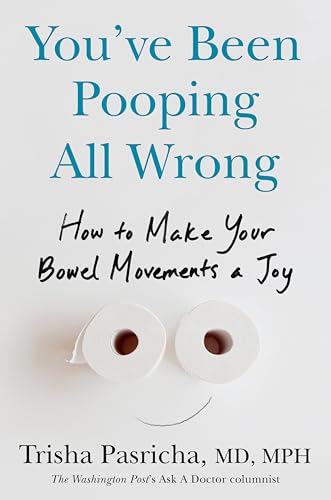
One of the things I particularly enjoyed is that the book tackles the questions many of us have probably wondered about but never thought to ask. What actually counts as a “normal” bowel movement? Does the colour of your poo mean something? Is there a right way to sit on the toilet? What about wiping? And why does your digestive system sometimes seem to have a mind of its own when you’re stressed?
Dr Pasricha also looks at issues including IBS, constipation, diarrhoea, haemorrhoids and accidental bowel leakage, while explaining the fascinating two-way relationship between our brains and our guts. She introduces a practical framework – the “three Ps” – designed to help readers develop more comfortable and consistent bowel habits.
What makes the book particularly accessible is Dr Pasricha’s ability to explain science without making you feel as though you’ve accidentally enrolled in medical school. There’s research and plenty of detail, but it’s delivered in plain, often amusing language.
And perhaps that’s the real strength of the book. It gives us permission to talk about something that is a completely normal part of being human.
After all, digestive health affects our everyday lives. If your gut is unhappy, it can be difficult to concentrate on much else. Yet many people put off seeking help or simply put up with uncomfortable symptoms because they feel embarrassed discussing them.
You’ve Been Pooping All Wrong takes some of that embarrassment away. It’s informative without being stuffy, practical without being preachy, and – remarkably for a book about bowel movements – genuinely entertaining.
Goodbye to Inflammation – Your All-Natural Plan to Reclaim Health, Lose Weight, and Feel Better than Ever by Sandra Moñino
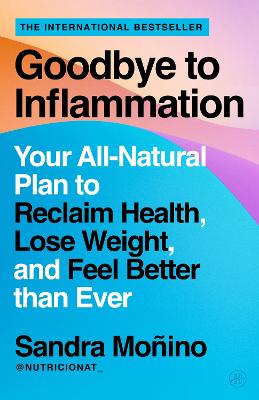
Inflammation is one of those words we seem to hear everywhere these days. We’re told it could be behind everything from bloating and weight gain to fatigue and digestive problems – but what exactly is inflammation, and what can we actually do about it?
That’s where Goodbye to Inflammation comes in.
Written by dietitian and integrative nutritionist Sandra Moñino, who specialises in inflammation and clinical nutrition, this practical guide takes a food-first approach to understanding inflammation and how our everyday habits may influence it. The author also brings her experience running a nutrition clinic in Spain to the book.
One of the things I liked about the book is that it doesn’t simply focus on what you should take away from your diet. Instead, Sandra looks at the bigger picture – including gut health, the microbiota, blood sugar, hormones, stress, sleep and lifestyle. Her message is essentially that there isn’t one magic food or supplement that will solve everything; our overall habits matter.
The book explores nine key anti-inflammatory habits and offers a practical eating plan, recipes and a grocery shopping guide. There’s even a three-day challenge for readers who want to make a start rather than simply read about making changes.
I particularly appreciated the emphasis on avoiding overly restrictive approaches. Sandra argues that restrictive dieting can itself create problems, including emotional stress, while recognising that everyone’s gut microbiota is different. Instead, she encourages readers to focus on foods such as fruit, vegetables, fibre and healthy fats, alongside other lifestyle changes.
There aren’t a huge number of recipes included – I would have loved to see more – but the ones that are there are delicious and give you some great inspiration. Importantly, this isn’t a book that simply tells you to “eat an anti-inflammatory diet” and then leaves you wondering what on earth that means when you’re standing in the kitchen at dinnertime. The recipes and practical suggestions help turn the nutritional advice into real food you can enjoy.
There is also plenty here for anyone interested in the fascinating connection between the gut and the rest of the body. Moñino explores the microbiota and its relationship with the brain, intestinal health, hormones and metabolism, making the book particularly relevant if digestive health is something you’ve been thinking about.
Of course, inflammation is a complex subject, and this isn’t a substitute for medical advice or treatment. Rather than promising a quick fix, Goodbye to Inflammation encourages us to think about the bigger picture – what we’re eating, how we’re living and how we’re caring for our gut.
And perhaps the most encouraging message is that improving your wellbeing doesn’t have to begin with an extreme diet. Sometimes it starts with a few small changes that you can actually stick with.
Gut Check – Unleash the Power of Your Microbiome to Reverse Disease and Transform Your Mental, Physical, and Emotional Health by Steven R. Gundry
We may not think about it very often, but inside our bodies is an extraordinary ecosystem made up of trillions of microorganisms – and according to Dr Steven R. Gundry, these tiny inhabitants may have a much bigger influence on our health than we realise.
In Gut Check, the New York Times bestselling author of The Plant Paradox takes a deep dive into the fascinating world of the microbiome and explores how the health of our gut may influence everything from our digestion and immune system to our mood, metabolism and overall wellbeing.
Dr Gundry’s central message is that we need to stop thinking of our gut as simply the place where food is digested. Instead, he describes the microbiome as a complex ecosystem that communicates with different systems throughout our bodies. And when that ecosystem gets out of balance, he argues, it can have far-reaching consequences.

The gut-brain connection comes into focus again and, of course, Dr Gundry doesn’t just want us to understand our microbiome – he wants us to do something about it. Gut Check includes a detailed eating plan, food lists and recipes designed to help readers support and rebalance their gut microbiome.
There is a lot of information here, and at times it can feel quite heavy going. Dr Gundry clearly has a huge amount to say on the subject, and readers who enjoy digging into the science behind nutrition and gut health will find plenty of reference pages to get their teeth into. For someone simply looking for a few quick tips to improve their digestion, however, this may feel like more of a commitment.
What I particularly like about the book is that it encourages us to think beyond simply treating individual symptoms. Instead, it asks us to consider the bigger picture – our diet, our gut bacteria and the many ways these may interact with our wider health.
It is worth noting that some of the author’s claims and dietary recommendations are controversial, but even if you don’t embrace every recommendation, there is plenty here to get you thinking about the remarkable relationship between the food we eat and the community of microbes living inside us.
No-Nonsense Nutrition – The science-based plan to transform health, lose weight, feel amazing by Dominique Ludwig
There are an awful lot of nutrition books out there telling us what we should and shouldn’t eat, so I was intrigued by the title No-Nonsense Nutrition. And thankfully, it lives up to its name.
Written by clinical nutritionist Dominique Ludwig, the book takes a science-based but refreshingly practical approach to healthy eating. Rather than getting bogged down in complicated calculations or the latest diet fad, the author focuses on six simple principles designed to help us build balanced meals, feel fuller for longer, boost energy and improve our overall health.
A big part of her approach is the importance of protein, fibre and plant diversity. Her “Triple 30” method encourages us to aim for 30g of protein per meal, 30g of fibre a day and 30 different plants each week. It’s an easy concept to understand and, importantly, one that can be applied to everyday meals rather than requiring a complete overhaul of your life.
But what really stood out to me about this book was the food.
There are more than 100 recipes, covering everything from breakfasts and lunches to dinners, baking and treats – and they are accompanied by gorgeous full-colour photographs. I loved this because the recipes don’t feel like an afterthought tacked onto a nutrition book. They are a big part of what makes the book so appealing. When you see a delicious-looking meal on the page, healthy eating suddenly feels a whole lot more achievable – and enjoyable.
There are recipes such as sweet potato and feta frittata, chicken and yellow pea curry, pork loin with smoky beans, peanut butter and chocolate cookies and even two-ingredient chocolate fudge. In other words, this isn’t about surviving on salads and steamed vegetables!
Dominique also includes weekly meal plans, shopping lists and meal-preparation advice, which makes the book particularly useful for anyone who wants to eat better but doesn’t want to spend every Sunday night planning an elaborate menu.
I also like the fact that the book isn’t simply about weight loss. Ludwig explores the relationship between food, appetite, energy, sleep, inflammation and gut health, with the aim of helping readers develop a healthier approach to eating for the long term.
There is plenty of nutritional information here, but the overall message is refreshingly straightforward: eat real food, build balanced meals, make sure you’re getting enough protein and fibre, and include plenty of variety. And with all the beautiful photographs, you may find yourself wanting to head straight into the kitchen rather than simply putting the book back on the shelf!

