Reports from around the world show that fewer and fewer people are choosing to drink animal milk these days. The reasons are varied – lactose intolerance, cruelty-free lifestyle, the desire to reduce greenhouse gas emissions or simply taste preferences. But if you’re new to plant-based milk, the choice might be a bit overwhelming. Here’s everything you need to know about the most popular types of vegan milk!
Soy milk
For health: Soy milk is packed with protein! We need around 55-65 grams of protein per day and a glass of soy milk contains 7 grams (only 1 gram less than in cow’s milk!), so you basically get 10% of your daily dose with just your morning drink. Actually, its nutritional value is the one that’s closest to cow’s milk.
For cooking: This is a great plant-based alternative for baking. Muffins and cakes will be moist and fluffy.
For the environment: The production of soy milk results in three times less greenhouse gas emissions than the same amount of dairy. And oat and almond milks produce even less emissions! Where soy milk is a true champion is the use of water – while cow’s milk requires 120 litres of water per glass of milk to produce and almond milk (the next in line) requires 74 litres, soy milk requires less than 5! To put this into perspective, we normally use less than 74 litres showering. There is also a negative side, though – these days soy is such a popular product that Amazon rainforests, producing around 20% of the oxygen on Earth, are being cut down in favour of soy plantations. So do your research and find out where the key ingredient for your milk comes from before buying it!
Rice milk
For health: Rice milk is low in calories so is a great fit in a healthy kitchen.
For cooking: It has a sweet taste, so amazing with morning granola or in coffee, so if you want to avoid adding extra sugar, it’s perfect. But don’t try to make pancakes with it – they’ll stick to the pan and fall apart. If you need a rich and creamy milk for a recipe this is definitely not the best option.
For the environment: Rice milk requires the least land use out of all dairy and plant-based milk types. Producing a glass of dairy milk every day for a year requires 650 sq m of land, the equivalent of two tennis courts. Almost 20 times less space is needed for the same amount of rice milk! The downside is the risk of arsenic contamination in rice paddies.
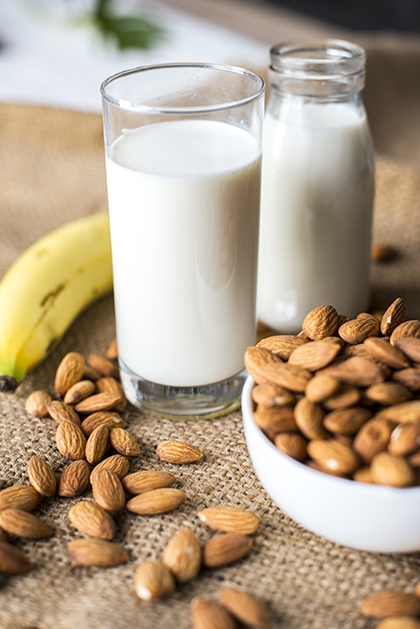
Almond milk
For health: Like the nut itself, this nut-based milk features a load of good fats, flavonoids and protein. Pick this one if you need an extra calcium boost as but, if you have nut allergies, leave it well alone.
For cooking: Almond milk is extremely versatile and is a great alternative to cow’s milk for basically any recipe. It’s delicate flavour makes it a great companion for any fruits and veggies in your smoothie.
For the environment: Almond milk produces the least green house gas emissions although it requires the highest amount of water. It takes almost 4 litres of water to grow a single nut, so you can imagine how much water it needs for the final product!

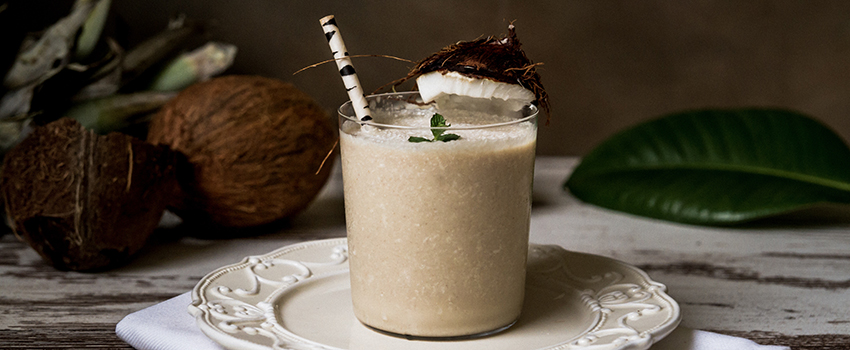
Coconut milk
For health: This milk is loaded with healthy fats but is not very rich in vitamins or protein.
For cooking: Rich and creamy, it gives curry its iconic flavour. It’s also awesome to make whipped cream, vegan ice-cream and puddings.
For the environment: Coconut trees filter out carbon dioxide which helps to battle greenhouse emissions. It also uses less energy and water and produces fewer greenhouse gases than almond or soy milk. A very eco-friendly product!
Hemp milk
For health: Another great plant-based source of calcium and protein. Hemp milk is also high in Omega 3 fatty acids which is awesome for your cardiovascular system, cholesterol levels and glowing skin.
For cooking: Hemp milk flavour complements savoury dishes better than sweet ones.
For the environment: This plant is hardy so requires less pesticides and sprays to battle weeds. It also filters out carbon dioxide and helps in the global warming fight. Hemp is so widely used that there are almost no leftovers, which means hemp production leaves less waste.