Relationships are hard. One day everything is perfect, the next day everything goes to hell. No matter how hard we try, we can’t avoid all the bumps on the road. But if you’re willing to work on and improve your relationships, here are some of the best-selling and highly appraised relationship advice books you can read together with your partner.

The Relationship Cure: A 5-Step Guide to Strengthening Your Marriage, Family, and Friendships, John Gottman and Joan DeClaire
Five steps? Sounds doable! In this book, New York Times bestselling author John Gottman, provides readers with all the necessary tools to work on all aspects of their relationships with a special emphasis on emotional connection. It took him almost 20 years to develop this system and it’s so powerful, it works not only with spouses and lovers but also children, siblings, and even your colleagues at work!
“When he says his five steps will help you build better connections with the people you care about, you know that they have been demonstrated to work.”
E. Mavis Heatherington, Ph.D., professor of psychology, University of Virginia
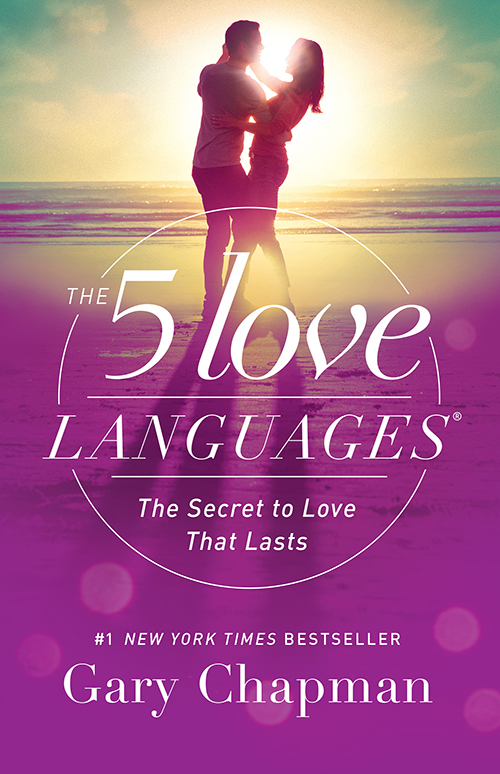
The Five Love Languages: The Secret to Love That Lasts, Gary D. Chapman
An absolute classic of relationship books! Falling in love is easy but this book explains how to stay in love and experience an even deeper level of intimacy. You’ll start by assessing you and your partner’s personal love languages and then proceed to explore how to combine these languages for the best outcome.
Look out for our full review of this book in the December/January edition of focus.

Mindful Relationship Habits: 25 Practices for Couples to Enhance Intimacy, Nurture Closeness, and Grow a Deeper Connection, SJ Scott and Barrie Davenport
This book is for you if you feel that your relationships have been pushed aside a bit due to being too busy with your career and other priorities. The Wall Street Journal bestselling authors explain how to re-build relationships and have only positive and exciting times with your better half by developing new mindful habits together and becoming more proactive rather than reactive.
35 habits, described in this book, will help you be more present with one another, communicate better, avoid divisive arguments, and understand how to respond to one another’s needs in a more loving, empathic, and conscious way.

The Seven Principles for Making Marriage Work: A Practical Guide From the Country’s Foremost Relationship Expert, John Gottman, PhD
Another goodie from author John Gottman who studied the habits of married couples for years. The book is basically a summary of his observations. Very practical and very detailed, it guides you through all the necessary steps to turn your marriage into the happiest alliance ever. Be prepared for questionnaires and exercises!
“Gottman stays refreshingly down to earth, rather than on Mars and Venus.”
Bill Marvel and Geoffrey Norman
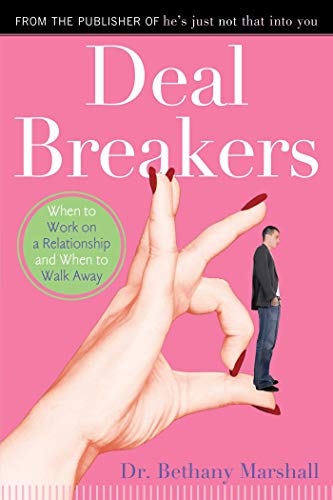
Deal Breakers: When to Work On a Relationship and When to Walk Away, Dr. Bethany Marshall
This is very important: sometimes working on improving your relationships is what both of you need but sometimes the best option is to hit pause on the whole thing and walk away. Dr Bethany Marshall tells us to ask ourselves at what point difficult relationships become too difficult to go on?
Deal Breakers is about getting out of unhealthy relationships, even when you don’t realise they’re unhealthy. It includes not only the psychological and emotional aspects of dealing with relationships but also covers practical sides like protecting the family assets, etc.

Never Eat Alone: And Other Secrets to Success, One Relationship at a Time, Keith Ferazzi
This book isn’t specifically about romantic relationships but rather about establishing connections and making friends in general. The author refers to communication and connecting strategies that are used by various successful and happy people from all over the world. You’ll find advice from Bill Clinton, the Dalai Lama and many others. He also gives specific advice on dealing with rejection and explains the difference between genuine relationship-building and ‘networking’. The book is fresh, interesting and can definitely be applied to building family relationships too.