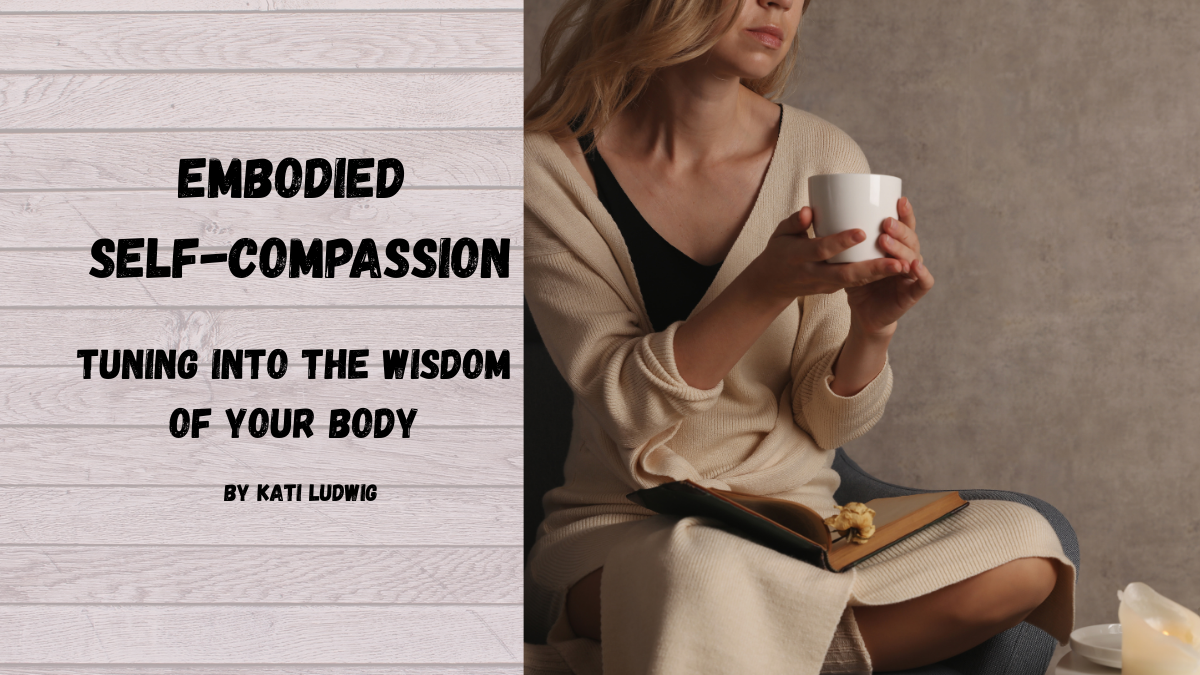
Kati Ludwig reminds us that as we move into autumn, we’re invited to turn inward and explore the depths of our being. Last month, we explored the foundations of embodied self-compassion, and this month, we’re taking it deeper. We’re diving into the intricate web of our needs, feelings, and boundaries, and how our body holds the key to unlocking authentic self-care and compassion.
The Body: A Bridge to Our Inner World
Our body is more than just a physical vessel; it’s a gateway to our emotional, mental, and spiritual landscapes. By tuning into our bodily sensations and feelings, we can tap into our inner wisdom and recognise what we truly need in any given moment.
The Four Dimensions of Needs
Our needs are multifaceted, and it’s essential to acknowledge and honour each aspect:
1. Physical Needs:
Nourishment, rest, movement, and safety
2. Emotional Needs:
Connection, validation, emotional expression, and support
3. Mental Needs:
Clarity, focus, creativity, and mental space
4. Spiritual Needs:
Connection to something greater, purpose, and meaning
The Body’s Role in Sensing Our Needs
Our body communicates with us through sensations, feelings, and intuition. By paying attention to these whispers, we can:
– Recognise our limits and boundaries
– Identify areas of tension and stress
– Sense our capacity and potential
– Develop a deeper understanding of our emotional landscape
Embodied Practises for Self-Compassion and Connection
1. Body Mapping:
Take a few minutes each day to scan your body, noticing areas of tension or comfort. Ask yourself, “What does this sensation tell me about my needs?”
2. Needs Journaling:
Write down your physical, emotional, mental, and spiritual needs. Reflect on how you can honour these needs in your daily life.
3. Sensory Exploration:
Engage your senses in nature, art, or everyday activities. Notice how your body responds and what insights arise.
4. Boundary Practise:
Set a gentle boundary with yourself or others, and notice how your body feels. Use this as a guide for future boundary-setting.
Practical Steps to Deepen Your Practise
1. Schedule regular body check-ins, even if it’s just 2 minutes a day.
2. Explore somatic practices like yoga, tai chi, or dance to cultivate body awareness.
3. Use sensory experiences to ground yourself in the present moment.
Resources to Support Your Journey
– Book:
The Body Keeps the Score by Bessel van der Kolk
– Practise:
Try a body-focused meditation such as the Body Scan or Progressive Muscle Relaxation.
– Online Course:
Join my course Authentic Steps to Emotional Wellbeing, where we’ll dive deeper into Embodied Self Compassion practises.
Closing Thought
Embodied self-compassion is a journey, not a destination. By tuning into our body’s wisdom, we’re empowered to recognise our needs, set healthy boundaries, and cultivate a deeper sense of self-care and compassion. May this month bring you greater body awareness, self-kindness, and a deeper connection to your inner world.