It’s been said we need minerals as much as we need oxygen. Seaweeds are the base of the ocean’s ecosystem, and hence are one of the most nutrient-dense food available.
Seaweeds, also known as sea vegetables, still form a core part of Asian diet, but the West has only recently started re-discovering the benefits of including a variety of different seaweeds in everyday food. Seaweeds are:
Nourishing – they provide concentrated and bio-available quantities of nutrients and minerals, trace elements, vitamins and are generally accepted as one of the best sources of iodine, which is essential for optimal thyroid function. They’re also a complete (fat-free) protein which is easily digestible by humans. They offer an array of natural enzymes and antioxidants as well as Omega 3 & 6. Some seaweeds contain Vitamin B12, which is a benefit for vegetarians and vegans since it can be hard to find in plant-based proteins.
Cleansing – seaweeds contain alginic acid which can help to bind heavy metals and environmental pollutants in our bodies. They also contain fucoidan which has been shown to help inhibit the growth of pathogenic bacteria, fungi and viruses in in vitro studies. Green seaweeds particularly are rich in chlorophyll, which purifies body fluids in the same way leafy green vegetables do.

Balancing – seaweeds are highly alkaline which can be soothing especially for those overconsuming processed foods. Incorporating small amounts of seaweed into your diet regularly helps to feed existing good gut bacteria with its prebiotic fibre.
Flavourful – each seaweed is unique and flavours can change depending on how they are used. Seaweeds offer a great source of natural umami flavour and range of new textures to explore.
With seaweeds, a little goes a long way! Pay attention to the nutritional information on pack, especially the iodine content, and always seek medical advice if you have any concerns.

The meaning of seaweed colours
Different seaweeds offer different flavours and nutrients – eat a range of seaweed colours to enjoy the full benefits.
Generally speaking, seaweeds come in three colour groups:
- Greens (Sea Lettuce) are cleansing. They are a good source of iron and fibre.
- Reds (Agar, Dulse, Nori, Sea Chicory, Irish moss) are strengthening – excellent mineral source, some offer carbohydrates, anti-oxidant, enzymes and contain dietary fibre and vegan protein.
- Browns (Kelp, Wakame, Kombu, Sea Spaghetti) are nourishing and high in iodine and other trace minerals.
8 quick ways to incorporate seaweed into your everyday meals
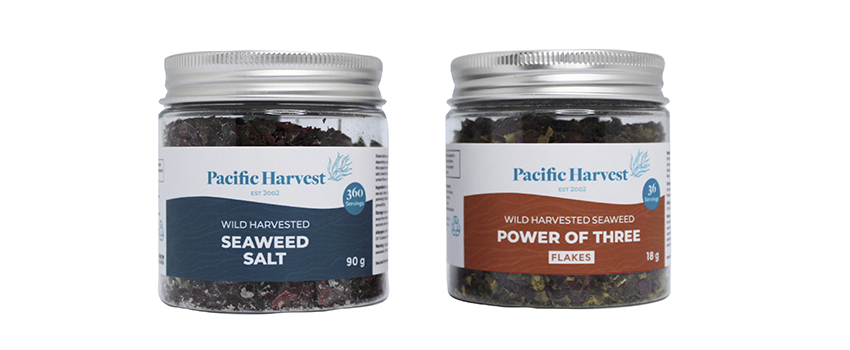
- Replace table salt with Kelp Salt or Seaweed Salt. The salty flavour you seek will still be there but the seaweeds will provide added nutrients and wonderful umami flavour.
- Eat Nori or Dulse leaves directly from the bag for a healthy, unprocessed snack. Try roasting or frying to experiment with different flavours.
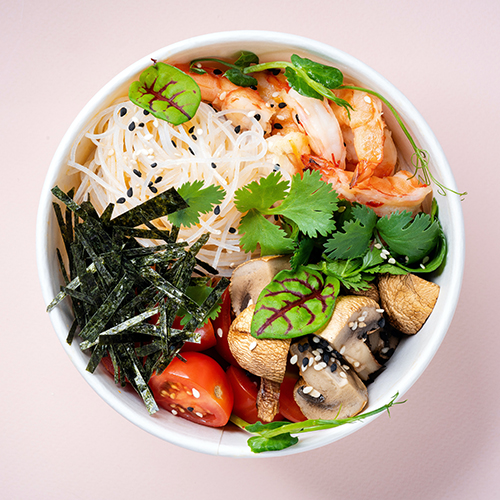
- Sprinkle seaweed flakes (Power of Three (a blend of all three colours), Nori, Dulse, Sea Lettuce Flakes) over your meals as a garnish. Try in salads, soups, pasta, poke bowls.
- Kelp or naturally flavoured kelp (Chilli, Garlic, Lemon) can be used as a rub or seasoning – before, during or after cooking.
- Chop seaweed leaves (Sea Spaghetti, Wakame, Dulse, Nori) into soups, stews, salads.
- Use Kombu Strips or Leaves instead of bay leaves to infuse umami flavour and added nutrients into stocks and soups.
- Wrap fish in Wakame or Kombu leaves and bake.
- Irish Moss gel is a nourishing and cleansing addition to smoothies and stocks or soups.
Ocean’s superfood to enhance nutrients and flavour in everyday meals: pacificharvest.co.nz