A new sustainability initiative designed to boost the sustainability of golf will see waste coffee grounds collected from New Zealand cafes upcycled into biodegradable golf tees for the domestic and international markets.
The innovation is part of a move towards reducing the environmental impact of golf as well as the amount of food waste in the hospitality sector which is diverted from landfill.
Research shows the coffee supply chain contributes around 1% of the global climate impact and over 2.25bn cups of coffee are consumed globally every day, producing 18 million tonnes of coffee grounds as a by-product annually.
While golf is often perceived to have a low environmental footprint as an outdoor sport, its 38,000+ courses around the world have been criticised for their lack of biodiversity, use of pesticides and high water utilisation levels.
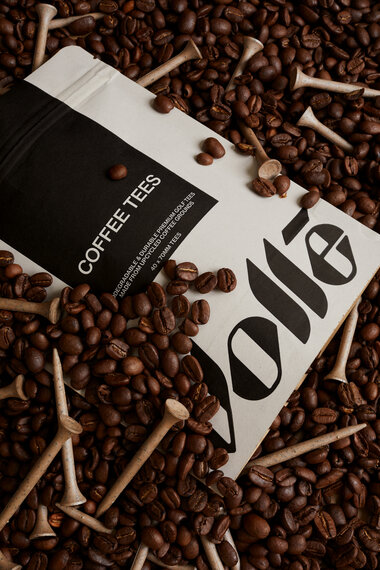
Kael Deherrera, co-founder of Volle Golf, which has launched the initiative, says most of the estimated 8.5bn tees used by golfers annually are made from plastic, wood or bamboo and each creates its own environmental legacy.
He says it is particularly frustrating to see plastic tees on the golf course as while they are durable, they don’t last forever and will eventually enter the ecosystem.
“In New Zealand, our 500,000 golfers play an estimated seven million rounds and consume around 28 million tees annually.
“We know that tees have a finite life cycle and many are bent, broken or lost on their first use.
“Sadly these often single-use tees are rarely picked up from the fairway and will be left in the environment to decompose. Those made from plastic will eventually be degraded by UV light into microplastics which enter the food chain.
“The production of wooden and bamboo tees involves unsustainable harvesting, excessive wastage, and significant transportation, and are printed with chemicals that can also leave harmful residues as they break down – all contributing to a higher carbon footprint.
“Our primary objective in developing a product from biomaterial is to reduce New Zealand’s reliance on imported tees and to help address the impact of food waste as a major contributor to greenhouse gas emissions.
“At the same time, we recognise the opportunity to improve the sustainability of the sector to support our growing golf tourism industry,” he says.
In Auckland alone over 535 hectares of publicly-owned land is used for golf courses and there is a growing awareness of the opportunity this presents in the creation of environmentally conscious green spaces that are integrated into the community.
“Sustainable golfing products such as the coffee tees form an integral part of our future waste minimisation strategy and provide a pathway to help us remove plastic from the game and the local eco-system,” said Jacob Cameron, Auckland Golf CEO.
The initial response from golfing pro shops in the New Zealand market has been positive and they also have begun exporting into Australia.
Deherrera says in the project’s first stage, the first batches of upcycled tees have been produced in Europe but through a new IP-sharing investment partnership with a Danish startup, they plan to create an export manufacturing hub in New Zealand this year.
“The tees are made from a blend of biomaterials including coffee grounds, sugar cane and vegetable oil, which are baked during an injection moulding process.
“The zero waste process is able to re-use any surplus material and any tees that are broken during gameplay can also be collected and recycled into new products.
“Each pack of 25 tees uses the same amount of coffee grounds as a double expresso shot and the next stage of our development will create products using only certified organic coffee waste.
“There are around 350 pro shops in the country and based on the initial rate of demand for our first trial shipment of tees from Europe, we expect to set up a local contract manufacturing facility in the coming months,” he says.
Deherrera says the design of golf tees has a significant role in ball impact, spin and the distance the ball flies.
“Our research shows tees made with coffee grounds are 66% more durable than wood – which provides a strong rationale for the phasing out of products made with less environmentally friendly materials.
“The next stage in the development of these tees will be to add colour variation to the product – helping to support the visually impaired as well as producing a castle tee which ensures a consistent height for players,” he says.