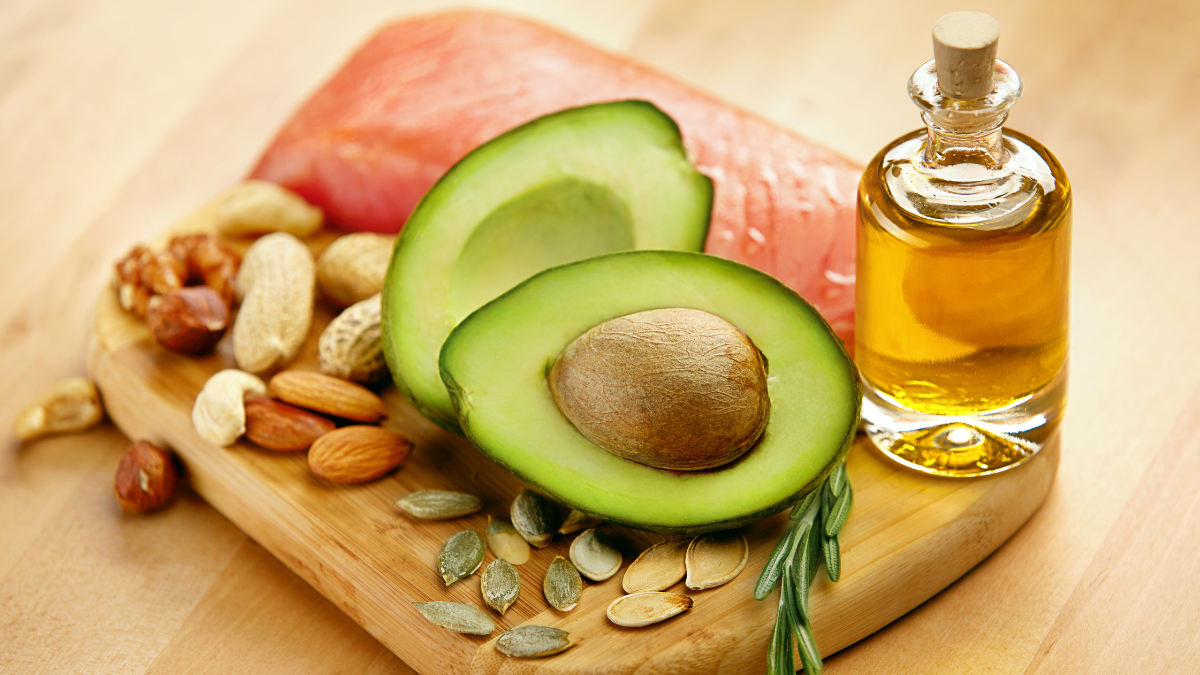
For years, fat has had a bad reputation, blamed for weight gain and health issues. But not all fats are the same – some are essential for health and your body needs fat to absorb certain vitamins, support heart function, and maintain overall wellbeing.
It seems logical to cut fat to lose weight, and many diets from the 1950s to 1990s promoted low-fat eating. This led to a flood of low-fat products that still fill store shelves today. However, the low-fat craze didn’t work in the long run. Although weight loss is possible on a low-fat, low-calorie diet, most people find it unsustainable and often regain the weight.
Our bodies are genetically engineered to crave fat – it fuels energy, keeps us warm, and leaves us feeling satisfied. While fat contains more calories than carbs or protein, it takes longer to digest, helping you stay full for longer. But balance is key – switching from low-fat eating to a high-fat, indulgent diet isn’t the answer.
Different fats affect your body in different ways. It’s important to avoid trans fats, as these are mostly man-made and harmful. Instead, focus on increasing mono-unsaturated fats. These healthy fats can lower bad cholesterol, boost good cholesterol, and support body repair. Foods rich in these fats include avocados, olives, olive oil, peanut butter, and coconut oil.
Fatty Foods Can Be Healthy
Not all fats are bad. While doughnuts and fried foods won’t win any health awards, many high-fat foods like avocados, olives, peanut butter, and even butter can support your wellbeing. Let’s explore the role of healthy fats in your diet – and how they can help you stay full, absorb nutrients, and even lose weight.
Why Fat Is Important
Fat plays a crucial role in your diet by:
- Curbing hunger: Fats keep you feeling satisfied longer.
- Boosting nutrient absorption: Fat helps your body absorb fat-soluble vitamins like A, D, E, and K.
- Supporting brain, cell, and hormone health: Healthy fats nourish every cell in your body and aid in hormonal balance.
Eating Fat to Lose Fat
Contrary to popular belief, eating fat doesn’t make you fat. In fact, the right fats can help you shed excess weight. Low-fat diets often lead to higher carb consumption, spiking insulin levels, which encourages fat storage.
When you switch to healthy fats and reduce carbs, insulin levels drop, allowing your body to tap into fat reserves for energy. A high-fat breakfast – like eggs with avocado – can keep you full for hours and will stabilise blood sugar, reducing cravings and overeating throughout the day.
Bone Broth, Bullet Proof Coffee And Other Fatty Foods That Help You Lose The Weight
You’re trying to lose weight and are cutting calories right and left. It works for a little while, but it doesn’t take long for that weight loss to stop. The dreaded plateau happens when your body adjusts to the dietary changes you’re making and starts burning fewer calories in an effort to make it through this “famine”.
A great way to start your day with plenty of healthy fats is by sipping a cup of bullet proof coffee. Brew a cup of black coffee, then add a teaspoon of coconut oil and a little pad of grass-fed butter. Blend it up into a creamy concoction full of healthy fats that will give your metabolism a boost and fill you up for hours.
Brew up a batch of homemade bone broth or stock from those leftover chicken or turkey bones. Sip on it throughout the day when you need a snack or a little “pick-me-up”. The nutrients, protein, and fat in the broth will keep you going and help you melt of those extra pounds.
Above all, make sure you include a source of healthy fat with every meal. Top that salad with an avocado and an olive oil based dressing. Grill up some chicken thighs instead of breast for dinner and finish it off with a pad of butter. Enjoy a little full fat cheese and a few olives. Throw another avocado into your green smoothie. Start embracing these healthy fats.
Stay away from low fat foods. Instead, go for full fat versions and the real thing when it comes to bacon. Let those healthy fats back into your life. Not only will your food taste much better, each bite will be much more satisfying. You’ll end up eating less overall and your body will be primed and ready to release the access body fat it no longer needs to hold on to.
Nuts: A Perfect Source of Healthy Fats
Nuts are an excellent source of healthy fats that help you stay full and energised throughout the day. Packed with heart-friendly monounsaturated and polyunsaturated fats, they also provide essential nutrients like fibre, protein, vitamins, and minerals. Almonds, walnuts, cashews, and pistachios are among the most popular choices.
In addition to supporting heart health, nuts help regulate cholesterol levels and reduce inflammation. A handful of nuts makes a great snack option, helping to curb hunger and prevent overeating. Adding them to salads, oatmeal, or smoothies is a delicious way to incorporate healthy fats into your diet. Just be mindful of portion sizes, as nuts are calorie-dense – around 30 grams (or a small handful) is often recommended for daily consumption.
The Benefits of Avocados
Avocados are low in sugar, high in fibre, and packed with vitamins (C, K, E, and B6) and potassium. Their healthy monounsaturated fats improve heart health, lower cholesterol, and enhance nutrient absorption.
Add half an avocado to salads, smoothies, or as a side with eggs for a satisfying, nutrient-rich meal. This creamy fruit supports everything from heart health to brain function – so go ahead and indulge!
When you enjoy a colourful salad, pair it with full-fat dressing and add avocado or nuts to ensure maximum nutrient absorption.
The Magic of Coconut Oil
Coconut oil offers numerous health benefits, thanks to its medium-chain fatty acids, which are easily absorbed and promote fat loss – especially belly fat. It also suppresses appetite, helping you avoid overeating. Start your day by adding a teaspoon to coffee and use it in cooking for a metabolism boost.
Butter: A Comeback Story
Butter has been unfairly demonised for decades. But real butter, especially from grass-fed cows, contains heart-healthy fats, vitamins (A, E, and K), and antioxidants. These nutrients help reduce bad cholesterol, protect arteries, and support cell repair. Swap out margarine and enjoy the rich flavour of butter guilt-free.
Final Thoughts
Healthy fats are essential to overall wellbeing, from heart health to weight loss. Focus on whole-food fats like avocados, olive oil, coconut oil, and real butter to keep your body nourished. Ditch outdated low-fat diets, make smarter food choices, and enjoy the benefits of good fats every day.
Fat isn’t the enemy – it’s a vital part of a healthy diet. Choose your sources wisely, and embrace fat as fuel, not foe.