Stephanie Saxton, Heather Crawford and Caroline Miria are the force of tomorrow, building sustainable, environmentally-friendly brands to help save the planet.
HOW WAS YOUR BUSINESS BORN?
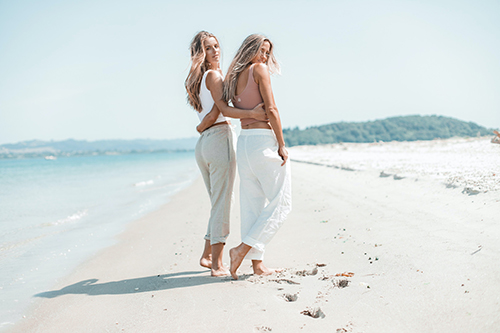
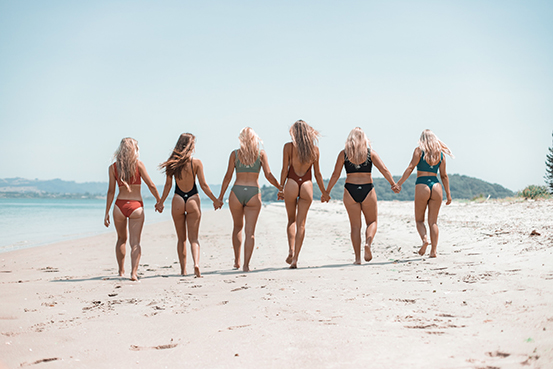
Stephanie: I love comfortable clothing and, having grown up with an active lifestyle, found myself wearing activewear 90% of the time. When I moved to New Zealand seven years ago, I developed an even bigger love for the ocean and swimwear. Saltysea is an activewear and swimwear lifestyle brand spreading a positive, healthy and ethical message.
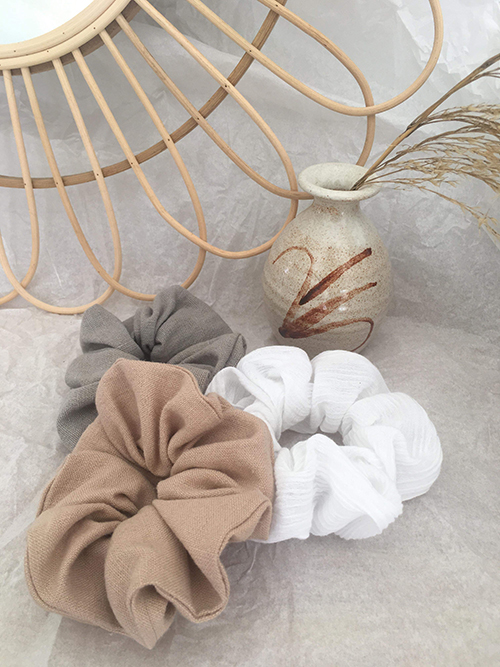
Heather: I was once chatting to my mum Glenys (co-founder of Sunshine Soul Scrunchies) about her involvement in Boomerang Bags, which are bags for local businesses sewed together from upcycled fabric. Seeing the amount of discarded fabric the ladies picked up from the op shops inspired me to curate something new and fashionable. My mum taught me the ropes of sewing and we now both have so much fun collecting and sifting through fabrics with potential.
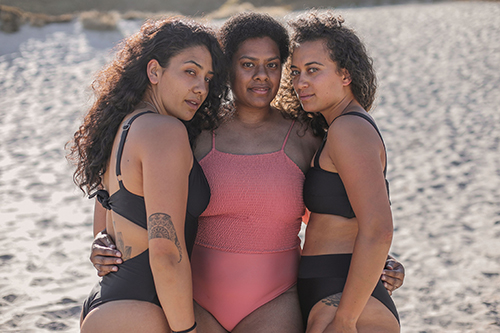
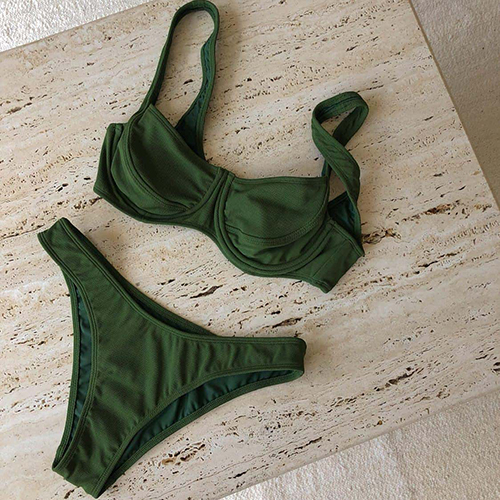
Caroline: Back in 2017 I was on holiday in Bali and couldn’t find a bikini that could fit my larger bust and so the idea of a swimwear company was born. Seated in my favourite cafe in Canggu, I started to brainstorm but all I could see was plastic bottles and packaging that had been discarded on the side of the road. I knew I could make a positive change! I found Econyl – 100% Regenerated Nylon made from fishing nets – that we now use as our main fabric for the swimwear. Wired Seaside also celebrates natural representations of the female form, vowing to use untouched, raw images.

Wired Seaside
EXPLAIN THE POSITIVE IMPACT YOUR BUSINESS HAS ON THE WORLD.
Stephanie: Saltysea sets a standard to encourage other brands and people to operate sustainably – from the production processes to the people involved and right down to the sustainable packing. It also encourages
body positivity, celebrating women in all different forms. Lastly, Saltysea promotes a really healthy lifestyle of self- empowerment, friendships, confidence, inclusiveness, sisterhood, getting outdoors and adventuring.
Heather: Giving old fabric new life and promoting circular fashion in a unique way.
Caroline: As well as being a solution on waste, our swimwear made from regenerated fishing nets is also better when it comes to climate change. It reduces the global warming impact of nylon by up to 80% compared with the material made from oil. For every swimsuit sold we donate to protect one square metre of rainforest in Indonesia’s Kalimantan Rainforest.
WHAT ARE THE CHALLENGES OF COMMITTING TO SUSTAINABILITY?
Stephanie: There is an old adage that in business, time is money. Being sustainable means you aren’t just picking the cheapest option first. You need to put time into researching the people, the processes, the materials, business ethics and values behind all the businesses and individuals you associate with. It can also be more expensive to manufacture using sustainable materials. I’ve chosen to swim against the flow and to set the precedent for profit
to play a secondary role to the important message that businesses are wanting to spread through their brands.
Heather: Using upcycled fabric can be a process! We forage through op shops to find suitable items, like clothing, old table cloths, tea towels, sheets – you name it, we’ve upcycled it. We then scan fabrics to ensure there are no flaws and wash the fabric for hygiene. The process is even more time consuming because I’m not bulk buying mass-produced fabrics; I’m hand-picking pieces of pre-loved clothing which only make a limited number of scrunchies.
Caroline: The process of creating swimwear from recycled fishing nets is more expensive than using normal fabrics. The recycling process is done by Econyl in Italy. We then import the fabric to Bali where our swimwear is made. Importing from Italy means our production and sampling is a lengthy process. Using imported fabrics instead of local fabrics also means that most of our colourways are limited edition and delivery can take upwards of 12 weeks.
Saltysea
ARE YOU NOTICING A RISE IN INTEREST TOWARDS SUSTAINABLE, ETHICAL BUSINESSES?
Stephanie: Today’s customers seem to be more enlightened, informed and concerned for the planet. There is still going to be substantial interest in established and reputable brands (think Nike, Adidas, etc.) because they’ve been building a loyal customer base for many years. Saltysea wasn’t created to do damage to other brands. Part of the ethos behind having an ecologically and socially sustainable brand is to encourage dialogue about the effects of our consuming on the planet and to push those big brands to take a more environmentally-friendly stance with their productions.
Heather: Instagram has been a positive influence in promoting sustainability – there are many like-minded creatives who inspire and support me in my upcycled endeavors and encourage more conscious consumerism. It’s hard to break the multi-million dollar fast-fashion industry, and I do receive comments about how cheap Kmart scrunchies are. It is an uphill battle explaining to people the reason for my price – but it is an important conversation to have. Educating people in taking small steps towards living more sustainably has become my mission.
Caroline: Our swimwear primarily targets the millennial demographic and, being one myself, I know we are more risk-averse when it comes to purchasing. There is and always will be consumers who favour price over quality and ethics, but in time I believe there will be a shift. Having strong brand values and sharing all parts of our business have really allowed our customers to get to know who we are and what we’re about. Transparency is the first step in changing the system and is what keeps businesses ethically accountable.


Sunshine Soul Scrunchies
BUSINESS ASIDE, WHAT ARE YOUR PERSONAL SUSTAINABLE DAILY HABITS?
Stephanie: I always try my best to make decisions that support my personal ethics, such as using reusable coffee cups and packaging, or buying local. Growing fruit and vegetables in our garden and picking up rubbish on the beach are some of the things we find ourselves doing naturally now. We’re currently working on an e-book about creating and running a business ethically, so keep an eye on our social media channels for the launch of this later in the year!
Heather: My family have always been conscious of plastic consumption and recycling and have composted since as long as I can remember. My partner and I buy in bulk and reuse containers – sometimes I bring my lunch in an old butter container and get a laugh from my fellow students! I don’t get caught up in fast fashion and avoid buying new clothes, but when I do, I research the brand’s sustainable practices.
Caroline: I’ve grown up in a culture of consumerism and that way of thinking is something I’ve had to unlearn. One of the biggest changes I’ve made is my purchasing habits – ensuring I purchase quality items from sustainable brands and steering clear of fast fashion. It’s important that I spend my money on clothing that is less harmful to the planet and the people making them. My favourite place to shop for special occasions is Designer Wardrobe. It allows me to hire clothing which ensures circularity of garments and less textile waste in our oceans and landfills.